
Introduction
These unsung heroes not only hold our products securely but also contribute to the overall integrity of the packaging process. Understanding the nuances of different types of corrugated adhesives is essential for ensuring that your boxes withstand the rigors of transport and storage.
Understanding the Role of Adhesives
Adhesives in hot melts are among the most popular choices for bonding corrugated materials due to their quick-setting properties and robust bond strength. They provide an immediate hold, making them ideal for high-speed production environments where efficiency is key. Moreover, understanding how various adhesives interact with different materials can significantly enhance product performance.
Importance of Choosing the Right Adhesive
Selecting the right adhesive can be a game-changer in terms of durability and performance for corrugated boxes. The wrong choice may lead to bond failures or inadequate moisture resistance, which can compromise product safety during shipping. Therefore, knowing about various types and characteristics of adhesives for corrugated boxes is crucial; it enables manufacturers to tailor their adhesive selection according to specific application needs.
Overview of Corrugated Box Applications
Corrugated boxes are ubiquitous in industries ranging from e-commerce to food packaging, serving as essential vessels for transporting goods safely and efficiently. The applications vary widely—from simple shipping containers to complex display units—each requiring specific adhesive solutions tailored to meet unique demands. As such, a solid grasp on corrugated adhesives ensures that these versatile packages perform optimally under varying conditions.
Types of Corrugated Adhesives
When it comes to corrugated boxes, the type of adhesive used can make or break the integrity of the packaging. Various types of corrugated adhesives cater to different applications and requirements, ensuring that the boxes remain sturdy and reliable under various conditions. Understanding these options is crucial for manufacturers looking to optimize their production processes and maintain product quality.
Hot Melt Adhesives Explained
Hot melt adhesives are a popular choice in the realm of corrugated adhesives due to their quick bonding capabilities and versatility. These adhesives are thermoplastic materials that become liquid when heated, allowing for rapid application on a variety of surfaces. Once cooled, hot melts create a robust bond that is resistant to moisture and temperature changes, making them ideal for high-speed manufacturing environments.
One significant advantage of hot melt adhesives is their ability to bond without solvents, which not only speeds up production but also minimizes environmental impact. Additionally, they offer excellent adhesion properties across various substrates commonly used in corrugated box production. For manufacturers seeking efficiency without compromising quality, hot melt adhesives are often the go-to solution.
Water-Based Adhesives: Chemix's Water-Based Resin Solution
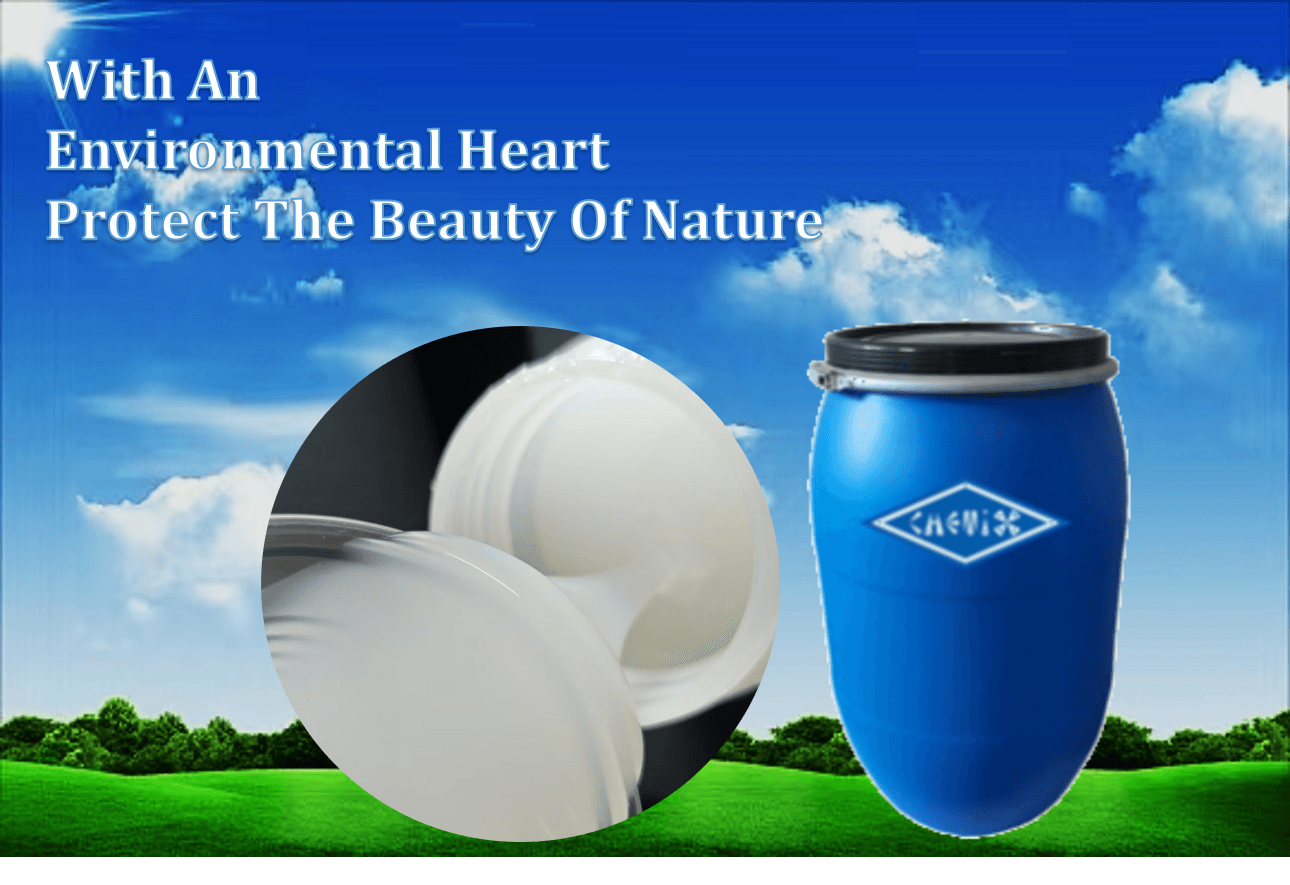
Water-based adhesives are gaining traction in the world of corrugated boxes due to their eco-friendly nature and ease of use. Chemix's water-based resin solution exemplifies this trend by providing strong adhesion while minimizing harmful emissions during application. This type of adhesive dries quickly and offers good flexibility once cured, making it suitable for various applications within the packaging industry.
The key characteristic that sets water-based adhesives apart is their ability to penetrate porous surfaces effectively, enhancing bond strength with materials like paperboard commonly found in corrugated boxes. Additionally, these adhesives tend to have lower viscosity compared to other types, allowing for smoother application processes—whether manual or automated. As sustainability becomes increasingly important in manufacturing practices, water-based solutions like Chemix's resin are becoming essential components in modern adhesive formulations.
Cold Glue Solutions
Cold glue solutions represent another viable option among the types and characteristics of adhesives for corrugated boxes. Unlike hot melts or water-based options, cold glues do not require heating during application; instead, they rely on evaporation or absorption processes to cure effectively over time. This can be particularly advantageous when working with sensitive materials that might be damaged by heat.
Cold glue formulations typically consist of natural or synthetic polymers mixed with water or other solvents—this combination allows them excellent versatility across different substrates used in box construction. While they may not bond as quickly as hot melts or water-based alternatives initially, cold glues often provide exceptional long-term durability once fully cured—a critical factor for products requiring extended shelf life or storage stability.
In summary, understanding the various types of corrugated adhesives available—including hot melt adhesives, water-based solutions like Chemix’s resin formula, and cold glue options—enables manufacturers to make informed choices tailored to specific applications and performance needs.
Characteristics of Adhesives for Corrugated Boxes
When it comes to corrugated adhesives, understanding their characteristics is crucial for ensuring optimal performance in packaging applications. The right adhesive can significantly influence the strength and longevity of corrugated boxes, making it essential to evaluate bond strength, drying times, and resistance to various environmental conditions. Let’s dive into these key characteristics that define the effectiveness of adhesives in hot melts and other types used for corrugated boxes.
Bond Strength and Durability
Bond strength is arguably the most critical characteristic of any adhesive used in corrugated boxes. A strong bond ensures that the box can withstand the rigors of shipping and handling without falling apart at crucial moments. Durability goes hand-in-hand with bond strength; an effective adhesive should maintain its integrity over time, resisting wear from mechanical stress or environmental factors.
In the realm of types and characteristics of adhesives for corrugated boxes, hot melt adhesives often shine due to their exceptional bonding capabilities. They provide immediate adhesion upon application, which is particularly beneficial in high-speed production environments where time is money. However, it's essential to choose a formulation that aligns with your specific needs—some may offer better performance on recycled materials while others excel with coated surfaces.
Drying Times and Working Temperatures
Drying times are another vital aspect when selecting adhesives for corrugated applications. Hot melt adhesives typically cure quickly, allowing for rapid assembly lines where speed is essential. Conversely, water-based adhesives may require longer drying periods but offer advantages like easier cleanup and lower volatile organic compounds (VOCs), making them more environmentally friendly options.
Working temperatures also play a significant role in determining which type of adhesive will be most effective for your project. While hot melts are designed to perform well under elevated temperatures during application, they may soften if exposed to extreme heat later on—potentially compromising structural integrity. Conversely, cold glue solutions might be more forgiving in varying temperature conditions but could require additional time to set properly.
Resistance to Environmental Conditions
Resistance to environmental conditions is a non-negotiable feature for any adhesive used in manufacturing corrugated boxes destined for various climates or storage scenarios. Factors such as humidity, temperature fluctuations, and exposure to chemicals can dramatically affect the performance of different types of adhesives used in this context. For example, some hot melt formulations are specially designed to withstand moisture without losing their bonding power.
Additionally, when considering durability against environmental challenges like moisture or UV light exposure, it's imperative to select an adhesive that meets these criteria based on its intended use case. Water-based options tend to fare better against humidity but might struggle under extreme cold or heat unless specifically engineered for such conditions. Ultimately, understanding how each adhesive reacts under various circumstances will help you choose the best option tailored specifically for your packaging needs.
Application Techniques

When it comes to applying corrugated adhesives, the method you choose can significantly impact the quality and efficiency of your bonding process. Whether you opt for manual techniques or embrace automated systems, understanding the nuances of each application style will help ensure optimal results. This section will explore these techniques in detail, providing insights into best practices for using adhesives in hot melts and other varieties.
Manual vs. Automated Application
Manual application of corrugated adhesives often allows for greater flexibility and control, especially in small-scale operations or unique projects where precision is paramount. However, this method can be labor-intensive and may lead to inconsistencies if not executed carefully. On the flip side, automated application systems offer speed and uniformity, making them ideal for high-volume production environments where efficiency is key.
Despite their advantages, automated systems require an upfront investment in equipment and a learning curve for operators to master the technology involved. Ultimately, choosing between manual and automated application methods depends on factors such as production scale, budget constraints, and desired bond quality with your selected types and characteristics of adhesives for corrugated boxes. Understanding these dynamics will help you make a well-informed decision tailored to your specific needs.
Tips for Applying Hot Melt Adhesives
When working with adhesives in hot melts specifically designed for corrugated applications, proper technique is essential to achieve strong bonds that withstand time and environmental stressors. First off, ensure that surfaces are clean and free from dust or grease; any contaminants can weaken adhesion significantly. Next, it's crucial to maintain the right temperature during application; too hot or too cold can impact how effectively the adhesive flows and bonds.
Another tip is to apply an even layer of adhesive across all surfaces being bonded; uneven distribution can lead to weak spots that jeopardize overall strength. Additionally, consider using a consistent pressure when joining pieces together—this helps create a solid bond as the adhesive cools down and sets up properly. By following these tips while utilizing hot melt adhesives effectively within your processes, you'll enhance both performance and reliability.
Choosing the Right Equipment for Use
Selecting appropriate equipment is vital when working with various types of corrugated adhesives since it directly affects application efficiency and product quality. For manual applications, simple tools like brushes or rollers may suffice; however, investing in pneumatic dispensers or glue guns designed specifically for hot melts can provide better control over adhesive flow rates during operation.
For automated systems—and especially when producing large volumes—consider options like high-speed glue applicators that offer precise placement without compromising on speed or accuracy during production runs involving corrugated boxes. It's also worth evaluating whether your equipment allows adjustments based on different adhesive types since some formulations may require specific temperatures or pressures during use.
Ultimately, understanding both your operational requirements as well as the capabilities of available equipment will empower you to select tools that enhance productivity while ensuring optimal performance from your chosen types and characteristics of adhesives for corrugated boxes.
Environmental Considerations
In today's eco-conscious world, the choice of adhesives is more than just a technical decision; it’s an environmental one too. Sustainable options in corrugated adhesives not only support the planet but also enhance brand image and consumer trust. As companies strive to reduce their carbon footprint, understanding the benefits of sustainable adhesives becomes crucial.
The Benefits of Sustainable Adhesives
Sustainable adhesives offer numerous advantages, particularly in the realm of corrugated boxes. These eco-friendly options often utilize renewable resources, reducing reliance on petroleum-based products found in traditional adhesives. Additionally, they tend to have lower volatile organic compound (VOC) emissions, contributing to better indoor air quality and compliance with health regulations.
Another significant benefit lies in the recyclability of sustainable corrugated adhesives. Many eco-friendly formulations can be easily removed during recycling processes, ensuring that cardboard materials are not contaminated and can be repurposed effectively. This characteristic not only enhances sustainability but also supports the circular economy model that many businesses are adopting today.
Moreover, using sustainable adhesives can lead to cost savings over time as companies may benefit from reduced waste disposal costs and improved product performance. With consumers increasingly prioritizing environmentally responsible practices, opting for these types of adhesives can provide a competitive edge in the market.
Comparing Traditional and Eco-Friendly Options
Traditional hot melt adhesives are often praised for their strong bond strength and quick drying times; however, they may come at a higher environmental cost due to their petrochemical origins. In contrast, water-based or bio-based alternatives may have longer curing times but offer enhanced sustainability without sacrificing performance.
It's essential to evaluate Types and Characteristics of Adhesives for Corrugated Boxes based on specific application needs while keeping environmental impact in mind. For instance, while hot melts excel in speed and efficiency for high-volume production lines, water-based solutions might be more suitable for products requiring flexibility or those exposed to moisture over time.
Ultimately, making an informed choice involves weighing performance attributes against sustainability goals—companies must assess how each option aligns with their operational requirements as well as their commitment to environmental stewardship.
Regulation Compliance and Safety
Many countries enforce strict guidelines regarding VOC emissions from traditional adhesive products; thus businesses must ensure that their chosen solutions meet these regulatory requirements without compromising quality or safety.
Adhesives in hot melts typically have stringent safety profiles since they solidify quickly upon cooling; however, manufacturers must still adhere to material safety data sheets (MSDS) guidelines when handling them during production processes. On the other hand, eco-friendly alternatives tend to have fewer hazardous components but still require proper handling protocols due diligence regarding workplace safety measures.
In conclusion, staying compliant with regulations while prioritizing safety is paramount for businesses utilizing both traditional and sustainable corrugated adhesives alike. By being proactive about adherence to industry standards alongside making environmentally conscious choices—companies strengthen not only their operational integrity but also contribute positively towards global sustainability efforts.
Troubleshooting Common Adhesive Issues
Bond failures and application problems can arise for a variety of reasons, but understanding how to identify and resolve these issues can save both time and materials. This section will guide you through recognizing bond failures, providing solutions for adhesive application problems, and implementing preventative measures to ensure your corrugated boxes stay intact.
Identifying Bond Failures
Bond failures in corrugated adhesives can manifest in several ways, including peeling, delamination, or complete separation of bonded surfaces. One common culprit is insufficient adhesive coverage; if the adhesive doesn't adequately cover the surfaces being bonded, it simply won't hold up under stress. Additionally, environmental factors such as humidity or temperature fluctuations can weaken bonds over time, making it essential to monitor conditions where your boxes are stored or used.
Another key indicator of bond failure is visible separation at the seams or edges of the box. If you notice any gaps forming between layers or an inability to withstand normal handling stresses, it's a clear sign that something's amiss with your adhesive choice or application technique. Regular inspections during production can help catch these issues early before they escalate into larger problems.
Solutions for Adhesive Application Problems
When you encounter adhesive application problems with your corrugated boxes, addressing them swiftly is crucial for maintaining product integrity. If you're using hot melts and experiencing incomplete bonding due to improper temperature settings on your equipment, recalibrating those settings may be all that's needed for better adhesion performance. For water-based adhesives like Chemix's resin solution, ensuring consistent humidity levels during application can significantly improve bonding effectiveness.
If manual application techniques are leading to uneven distribution of adhesives in hot melts or cold glue solutions, consider switching to automated systems that provide more consistent coverage every time. Additionally, evaluating the type and viscosity of your chosen adhesive may reveal that a different formula could yield better results based on specific box designs and intended use cases. Always keep an eye out for signs of over-application as well; too much adhesive can lead to longer drying times and potential bleed-through.
Preventative Measures
Preventing adhesive issues before they arise is always preferable than troubleshooting after the fact—especially when dealing with types and characteristics of adhesives for corrugated boxes that may vary widely in performance under different conditions. First off, always conduct a thorough assessment before selecting an adhesive: consider factors like bond strength requirements and environmental exposure when choosing between hot melt adhesives versus water-based options.
Regular maintenance on application equipment is also key; cleaning nozzles and checking calibration should be part of routine procedures to ensure optimal performance at all times. Lastly, training staff on proper handling techniques will help minimize mishaps during production—because a little knowledge goes a long way in avoiding those pesky bond failures down the line.
Conclusion
Understanding the various types and characteristics of adhesives for corrugated boxes is essential for ensuring durability and effectiveness in your packaging solutions. From hot melts to water-based options, each adhesive type offers unique benefits that cater to specific needs in the industry.
Key Takeaways on Adhesive Selection
When choosing corrugated adhesives, consider factors such as bond strength, drying times, and environmental resistance to ensure optimal performance. The right adhesive not only enhances the structural integrity of your boxes but also contributes to sustainability efforts when eco-friendly options are selected. Remember that understanding the types and characteristics of adhesives for corrugated boxes can save time and resources while improving overall efficiency in production.
Future Trends in Adhesives
As we look ahead, innovations in adhesive technology promise exciting developments for corrugated adhesives. The trend toward sustainable materials is likely to drive further advancements in eco-friendly formulations that do not compromise on performance. Additionally, automation in adhesive application will continue to evolve, making processes faster and more efficient while maintaining high-quality standards.
Final Thoughts on Corrugated Box Adhesives
In conclusion, selecting the right adhesive is crucial for anyone involved with corrugated box manufacturing or usage. With a plethora of options available—from traditional hot melts to modern water-based solutions—there's an adhesive fit for every need and environment. By staying informed about trends and characteristics related to types of adhesives for corrugated boxes, you can ensure your packaging remains reliable and effective.