
Introduction
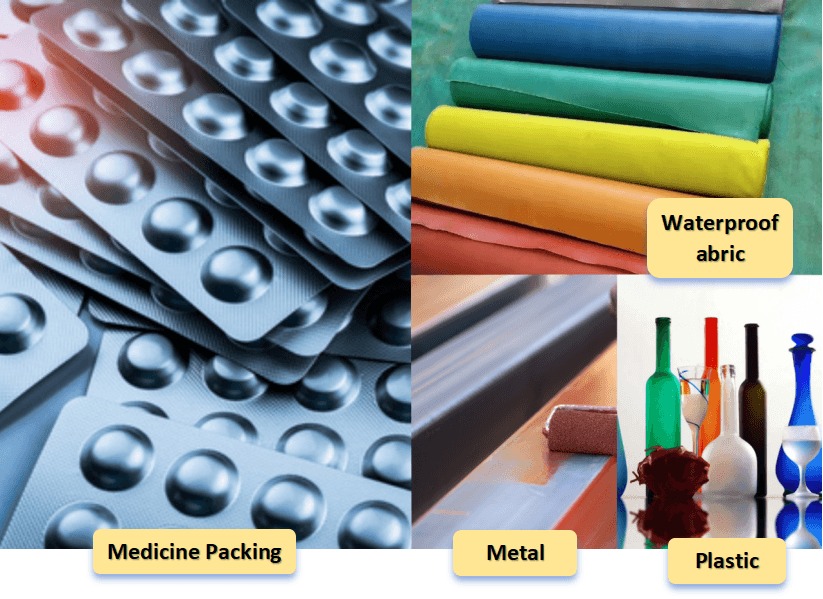
Understanding Polypropylene Adhesives
Polypropylene adhesives are specially formulated to bond materials made from polypropylene, a common type of plastic known for its durability and resistance to chemicals. These adhesives provide exceptional strength and flexibility, making them ideal for various applications—from automotive parts to household items. Learning about the best glue for plastic will empower you to choose the right product that meets your specific needs.
Why You Need Strong Bonds
Strong bonds are essential when working with plastics because they ensure that your projects withstand stress and environmental factors over time. A reliable bonding glue not only enhances the durability of your products but also improves their overall performance and appearance. By selecting an effective super adhesive, you can avoid common pitfalls associated with weak bonds that lead to failures or breakage.
The Role of Surface Preparation
Surface preparation is often an overlooked step in achieving optimal adhesion with polypropylene adhesive; however, it plays a vital role in ensuring strong connections between surfaces. Properly cleaning and roughening surfaces can enhance the effectiveness of any adhesive glue by increasing contact area and promoting better penetration into the material's surface. Skipping this critical step may result in subpar bonding outcomes, leaving you frustrated with less-than-ideal results.
Choose the Right Polypropylene Adhesive

When it comes to bonding plastic, choosing the right polypropylene adhesive is crucial for achieving a strong and lasting bond. With so many options available, it can be overwhelming to determine which adhesive glue will work best for your specific needs. Understanding the various types of adhesives and their properties can help simplify your decision-making process.
Exploring Options for Plastic Bonding
There are several types of adhesives specifically designed for plastic bonding, each with its unique strengths and weaknesses. Polypropylene adhesives are favored for their excellent flexibility and resistance to moisture, making them ideal for applications where durability is key. Additionally, super adhesive products offer rapid curing times and high strength, perfect for quick repairs or projects requiring immediate results.
When selecting the best glue to glue plastic, consider factors such as the type of plastic you are working with and the conditions it will face after bonding. Some adhesives work better on certain plastics than others; thus, understanding your material is essential. Ultimately, exploring these options will lead you to a bonding glue that meets your requirements.
Comparing Super Adhesive Products
Super adhesive products have gained popularity due to their impressive performance in various applications involving plastics. These adhesives often provide exceptional initial tack and fast curing times while maintaining a strong bond under stress or temperature changes. However, not all super adhesives are created equal; some may be better suited as a plastic adhesive than others.
To make an informed choice about which super adhesive is right for you, compare key features such as bond strength, drying time, and ease of application across different brands. Additionally, read reviews from users who have tested these products in real-world situations—this can provide valuable insights into long-term performance. By weighing these factors carefully against your project's needs, you'll find the best adhesive glue for plastic that ensures a reliable bond.
Recommendations for Best Adhesive Glue for Plastic
Finding the best glue for plastic can feel like searching for a needle in a haystack given the myriad of options available on store shelves today. However, some standout products consistently receive high praise from users—and they deserve mention here! For instance, cyanoacrylate-based glues (often referred to as super glues) are excellent choices due to their speed and effectiveness across various types of plastics.
Another great option includes epoxy-based formulations designed specifically as polypropylene adhesives; they offer robust bonds even in challenging environments like automotive or outdoor settings. Lastly, consider water-based polyurethane adhesives if you're looking for an eco-friendly choice without sacrificing performance—they provide versatility across numerous industries while being safe to use indoors.
Surface Preparation Techniques
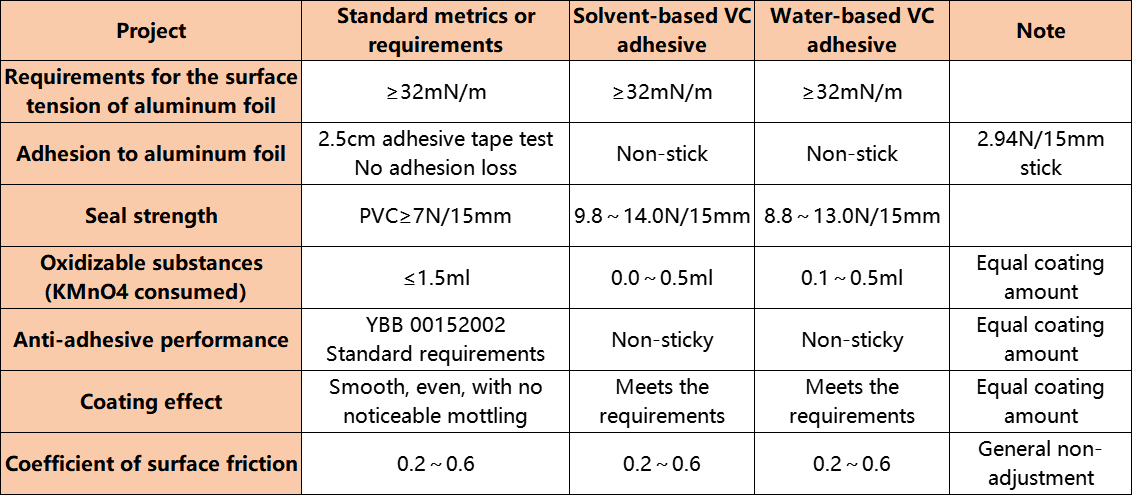
Properly preparing the surfaces not only enhances adhesion but also prolongs the life of the bond. In this section, we will explore effective cleaning methods, roughening techniques, and the importance of ensuring dryness before applying bonding glue.
Cleaning for Maximum Adhesion
To get the best results with your chosen adhesive glue, start with a clean surface. Any dust, grease, or contaminants can interfere with how well the plastic adhesive adheres to your materials. Use a suitable cleaner—like isopropyl alcohol or soap and water—to wipe down the surfaces thoroughly; this step is essential for maximizing adhesion when using super adhesive products.
After cleaning, allow the surfaces to dry completely before proceeding to roughening or applying any bonding glue. Remember that even tiny particles can compromise your bond strength; so be diligent in your cleaning efforts. In short, cleanliness is next to strong adhesion!
Roughening Surfaces for Stronger Bonds
Once you've cleaned your surfaces, it's time to consider roughening them up for an even stronger hold with your polypropylene adhesive. By creating a textured surface through sanding or scraping, you increase the area that the best glue for plastic can grip onto. This technique helps in forming mechanical interlocking between the two pieces you're trying to bond together.
Using sandpaper or a file on non-visible areas can make a significant difference in how well your plastic adhesive performs. Just remember not to overdo it; too much roughness could lead to an uneven application of super adhesive products later on. Ultimately, achieving that perfect balance between smooth and textured will set you up for success.
Importance of Dryness Before Application
Before you dive into applying that best glue to glue plastic together, ensure that all surfaces are completely dry—this step cannot be overstated! Moisture left on either surface can weaken the bond formed by your chosen bonding glue and lead to disappointing results down the line. A dry environment allows for optimal curing conditions and ensures that your polypropylene adhesive performs at its best.
Additionally, humidity levels in your workspace should also be considered; high humidity can affect drying times and overall adhesion quality when using plastic adhesives like those based on water-based resins from Chemix's lineup. So take a moment to double-check those surfaces—dryness is key! With clean and dry substrates ready for action, you'll be well-prepared for successful bonding.
Application Methods That Work
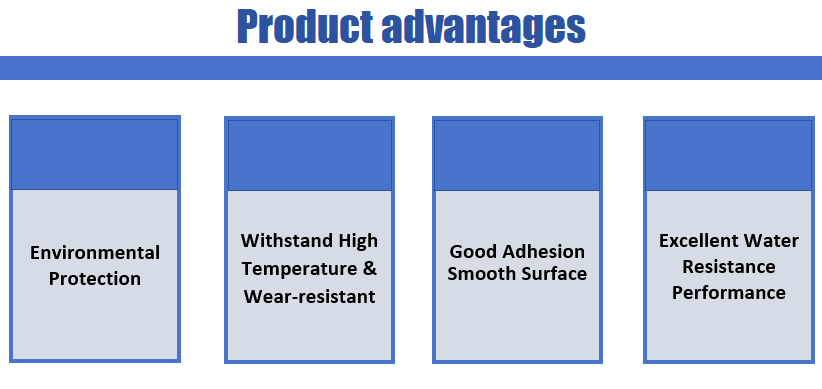
When it comes to applying bonding glue, the method you choose can significantly impact the strength and durability of your bond. Using polypropylene adhesive effectively requires a few techniques that can make all the difference. Understanding how to apply your adhesive properly will help you achieve that strong, lasting bond every DIYer dreams of.
Techniques for Using Bonding Glue
To get started with your bonding glue, ensure both surfaces are clean and dry before application. Apply a thin layer of polypropylene adhesive evenly across one surface, avoiding excessive amounts that could lead to messy results or weak bonds. For larger areas or intricate designs, consider using a brush or applicator tip for precision; this technique is especially useful when working with the best adhesive glue for plastic.
Another effective technique is to use clamps or weights after applying the adhesive to ensure even pressure while it cures. This helps eliminate air pockets and promotes a stronger bond between surfaces, particularly when using super adhesives designed for plastics. Remember, patience is key; allow adequate time for curing as specified in the product instructions.
Tips for Even Adhesive Distribution
Achieving an even distribution of your plastic adhesive is crucial in ensuring optimal adhesion strength. Start by squeezing out small amounts of bonding glue from the tube or container and spreading it using a spatula or brush in long strokes across one surface area. This method allows you to control the amount applied while covering more ground efficiently.
If you're working on intricate projects like model building or repairs on small items, consider using toothpicks or fine brushes for detailed application—this is especially helpful when using the best glue to glue plastic components together without causing overspill. Always remember to check that no excess adhesive seeps out from edges once you've pressed pieces together; this can lead not only to unsightly messes but also weaken overall adhesion.
Common Mistakes to Avoid
Even seasoned DIY enthusiasts can fall prey to common pitfalls when working with adhesives like polypropylene adhesive. One major mistake is neglecting surface preparation; without proper cleaning and roughening of surfaces, even the best adhesive glue for plastic may fail to create a strong bond due to contaminants like dust and oils hindering adhesion.
Another common error is rushing through drying times—each type of bonding glue has its own recommended drying period which should never be overlooked if you want lasting results! Lastly, avoid mixing different types of adhesives unless specifically directed by product guidelines; combining various formulas can lead to unpredictable reactions and ultimately compromise your project’s integrity.
Curing and Drying Times
Curing and drying times are critical components in achieving a successful bond with polypropylene adhesive. While many may rush through this phase, taking the time to allow proper curing can enhance the strength and durability of the bond significantly. Understanding these factors will help you select the best adhesive glue for plastic that meets your project needs.
Why Curing Matters for Polypropylene Adhesive
Curing is the process where the adhesive undergoes a chemical reaction to achieve its final strength and performance characteristics. For polypropylene adhesive, this step is essential because it transforms what might seem like a simple bonding glue into a robust solution capable of withstanding various stresses. Skipping or shortening this process can lead to weak bonds, making it imperative to follow recommended curing times closely.
Recommended Drying Times for Best Bonding
The recommended drying times for bonding glue vary based on product specifications, environmental conditions, and material types involved in your project. Generally, most super adhesives suggest allowing at least 24 hours for optimal bonding strength; however, some may require longer depending on their formulation. Always refer to the manufacturer's guidelines when determining how long to wait before putting stress on your newly glued plastic surfaces.
Factors Affecting Cure Time
Several factors can influence cure time when using plastic adhesives like polypropylene adhesive. Temperature plays a significant role; warmer environments typically accelerate curing while cooler temperatures can delay it considerably. Additionally, humidity levels and the thickness of the adhesive layer applied can also affect how quickly your bonding glue sets—thicker layers may take longer to cure fully than thinner applications.
Chemix's Water-Based Resin Solution

This innovative polypropylene adhesive offers a range of benefits that make it an excellent choice for various applications. With its superior bonding capabilities and user-friendly application, this adhesive is a game-changer for both professionals and DIY enthusiasts.
Benefits of Water-Based Polypropylene Adhesives
Water-based polypropylene adhesives are known for their exceptional bonding strength while being easy to work with. Unlike traditional super adhesives that can be messy and difficult to clean up, these adhesives offer a smooth application process without sacrificing performance. Additionally, they dry clear, making them ideal for projects where aesthetics matter, ensuring that your bonds remain virtually invisible.
Another significant advantage of water-based adhesives is their lower VOC (volatile organic compound) content compared to solvent-based options. This makes them safer for indoor use and minimizes health risks associated with inhaling harmful fumes during application. Overall, choosing the best glue to glue plastic means opting for an adhesive that not only performs well but also prioritizes user safety.
Moreover, these adhesives provide excellent flexibility once cured, allowing bonded plastics to withstand stress without breaking apart. Their ability to bond various types of plastic makes them suitable for diverse applications—from crafting projects at home to industrial uses where strong plastic adhesion is critical. In short, Chemix’s water-based polypropylene adhesive combines performance with practicality.
Environmental Impact and Safety
In today’s eco-conscious world, using environmentally friendly products is more important than ever—and Chemix's water-based resin solution fits the bill perfectly! By opting for a polypropylene adhesive with low environmental impact, you're making a responsible choice that contributes positively to sustainability efforts. These adhesives are biodegradable and non-toxic when cured, ensuring you can work safely without worrying about harming the environment or your health.
Furthermore, because they contain fewer harmful chemicals than traditional super adhesives, these products reduce air pollution during manufacturing and application processes. This commitment to safety extends not only to users but also to communities impacted by chemical exposure from conventional glues. By choosing Chemix's water-based solutions as your go-to plastic adhesive option, you're supporting safer practices in both personal projects and larger-scale industrial operations.
Lastly, regulatory bodies increasingly favor eco-friendly products; thus using such adhesives can help businesses comply with environmental standards more easily while enhancing their reputation among consumers who value sustainability initiatives. Embracing this trend means you’re not just bonding materials effectively—you’re also contributing positively toward global sustainability goals!
Versatility in Various Industries
One of the standout features of Chemix’s water-based polypropylene adhesive is its remarkable versatility across numerous industries—from automotive manufacturing to consumer goods production. Whether you're assembling intricate components in electronics or creating durable packaging solutions in logistics, this bonding glue provides reliable adhesion tailored specifically for different applications involving plastics.
In addition to industrial uses, it shines brightly in creative fields too! Artists and crafters love utilizing this best glue for plastic when working on sculptures or mixed media projects since its fast curing time allows rapid completion without compromising quality or integrity—perfect when deadlines loom! The adaptability of this product ensures it meets diverse needs while delivering consistent results every single time.
Moreover, as industries continue innovating towards sustainable practices—such as reducing waste through recyclable materials—Chemix’s eco-friendly properties make it an ideal choice moving forward into future endeavors centered around green technology advancements within various sectors alike!
Conclusion

In wrapping up our exploration of polypropylene adhesives, it's crucial to remember that the right adhesive is key to achieving strong and lasting bonds. Whether you're tackling a DIY project or working in an industrial setting, selecting the best adhesive glue for plastic can make all the difference. From understanding surface preparation to choosing the right application methods, each step plays a vital role in ensuring your bonding glue performs at its best.
Key Takeaways for Using Adhesive Glue
First and foremost, knowing your materials will guide you toward the best glue for plastic applications. Polypropylene adhesive is specifically designed to bond with challenging plastics, making it an excellent choice for various projects. Additionally, always prioritize surface preparation; cleaning and roughening surfaces can significantly enhance adhesion and longevity.
Final Tips for Strong Plastic Bonds
To achieve optimal results with your bonding glue, consider investing time in proper surface treatment before application. Remember that even distribution of adhesive is essential; uneven application can lead to weak spots that compromise your bond. Lastly, don’t rush the curing process—allowing sufficient drying time ensures that your polypropylene adhesive achieves its maximum strength.
The Future of Polypropylene Adhesive Solutions
As industries evolve and sustainability becomes more pressing, water-based polypropylene adhesives are paving the way forward. These eco-friendly options not only reduce environmental impact but also offer versatility across various sectors—from automotive manufacturing to consumer goods production. As research continues into advanced formulations, we can expect even better performance from plastic adhesives in the future.