
Introduction
In the world of adhesives, the term curing adhesive is essential to understand how different bonding agents reach their maximum strength and durability. Curing is a chemical process that transforms liquid adhesives into solid bonds, ensuring they can withstand various environmental conditions and stresses. Whether you're working with UV resin, contact adhesive, or high temperature adhesive, knowing how each curing method works can make all the difference in your projects.
Understanding Adhesive Curing
Curing involves a series of chemical reactions that occur after an adhesive is applied to surfaces. This process not only enhances the bond's strength but also determines its resistance to heat, moisture, and other factors. By grasping the intricacies of curing methods—like ultraviolet resin curing or water adhesive solutions—you can select the right product for your specific needs.
Importance of Curing Methods
The choice of curing method can significantly influence the performance of a strong adhesive in various applications. For instance, UV resin offers rapid curing times under light exposure, while high heat adhesives require elevated temperatures for optimal bonding. Understanding these differences allows manufacturers and DIY enthusiasts alike to make informed decisions that lead to successful outcomes.
Overview of Common Techniques
Several common techniques exist for curing adhesives, each with its own unique advantages and applications. UV resin relies on ultraviolet light for quick curing; contact adhesives bond instantly upon surface contact; while high temperature adhesives need heat to activate their bonding capabilities. Water-based solutions are gaining traction due to their environmental benefits and versatility in industrial settings, making them an attractive option for those looking to balance performance with sustainability.
What is Curing Adhesive?
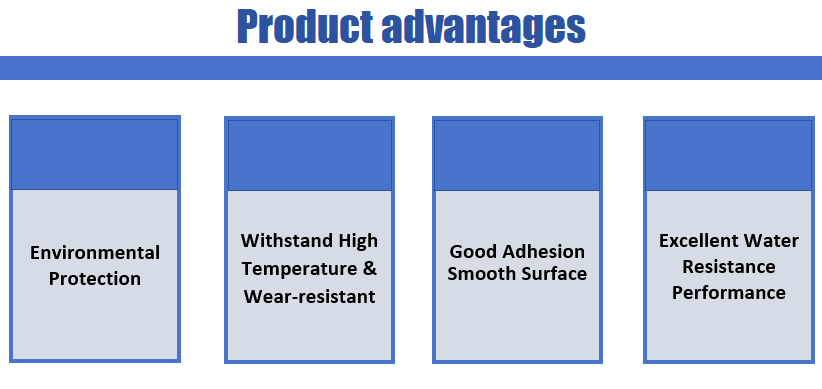
Curing adhesive is a process that transforms a liquid or semi-liquid adhesive into a solid, durable bond. This transformation is essential for achieving the desired strength, durability, and functionality of various materials when they are joined together. Understanding the nuances of curing adhesives can greatly enhance the performance of products across multiple industries.
Definition and Purpose
Curing adhesive refers to the chemical process that occurs when an adhesive hardens or sets after application. The purpose of curing is to create a strong bond between surfaces, ensuring long-lasting adhesion that can withstand environmental factors such as temperature changes and moisture. Without proper curing, even the strongest adhesives like UV resin or high-temperature adhesives may fail to perform effectively.
Types of Adhesives
Adhesives come in various types, each designed for specific applications and materials. Common categories include contact adhesives, which provide immediate bonding upon contact; UV resin, which cures quickly under ultraviolet light; and water-based adhesives that are more environmentally friendly. High heat adhesives are also popular in applications requiring resistance to extreme temperatures, while strong adhesive formulations ensure robust bonds in demanding environments.
Key Curing Processes
The key curing processes vary based on the type of adhesive used but generally fall into several categories: thermal (heat), chemical (reactive), and photonic (UV light). For instance, heat-based curing involves applying high temperatures to activate components within high-temperature adhesives for optimal bonding strength. In contrast, ultraviolet resin relies on exposure to UV light for rapid curing—a technique often favored in industries seeking quick turnaround times without sacrificing quality.
UV Resin Curing Explained

In the world of adhesive technologies, UV resin curing stands out as a game-changer. This method utilizes ultraviolet light to trigger the curing process of adhesives, resulting in rapid and efficient bonding. Understanding how this works and its benefits can help industries choose the right curing adhesive for their needs.
The Science Behind UV Curing
At its core, UV curing involves exposing a specially formulated ultraviolet resin to UV light, which initiates a photochemical reaction that transforms the liquid resin into a solid state. This process is not only quick but also allows for precise control over the curing time and depth, making it ideal for applications requiring strong adhesion in tight spaces. The ability to cure adhesives instantly means that manufacturers can increase productivity while reducing energy consumption compared to traditional methods.
Advantages of Ultraviolet Resin
One of the standout features of ultraviolet resin is its speed; it cures almost instantly under UV light, making it an excellent choice for high-volume production environments where time is money. Additionally, this type of strong adhesive often exhibits superior bond strength and durability compared to other options like contact adhesive or high temperature adhesive solutions. Furthermore, UV resins are generally low in volatile organic compounds (VOCs), making them more environmentally friendly than many water adhesives on the market.
Applications in Various Industries
UV resin curing has found its niche across multiple sectors due to its versatility and efficiency. In electronics manufacturing, for instance, it's commonly used for bonding components where precision is critical; think circuit boards or delicate sensors that require reliable adhesion without excessive heat exposure from high heat adhesives. Similarly, in the automotive industry, this technology helps bond various materials together quickly while maintaining structural integrity—an essential factor when safety is on the line.
Exploring Heat-Based Curing
When it comes to adhesive technologies, heat-based curing stands out as a robust method that enhances the performance of various adhesives. This technique utilizes elevated temperatures to accelerate the curing process, transforming liquid adhesives into solid bonds that withstand stress and strain. Whether working with strong adhesives or specialized formulations, understanding heat curing is essential for achieving optimal results.
High Temperature Adhesive Curing
High temperature adhesive curing involves subjecting adhesives to elevated temperatures, which can dramatically speed up the chemical reactions necessary for bonding. This process is particularly beneficial in applications requiring rapid assembly or where time constraints are critical. By utilizing high heat adhesive methods, manufacturers can ensure that their products meet stringent performance standards while maintaining efficiency in production.
The science behind high temperature curing lies in its ability to facilitate cross-linking between polymer chains within the adhesive. This results in enhanced strength and durability of the bond formed between surfaces. As a result, high temperature cured adhesives are often preferred in industries such as automotive and aerospace, where reliability is paramount.
The Role of High Heat Adhesives
High heat adhesives play a crucial role in various industrial applications due to their ability to maintain integrity under extreme conditions. These strong adhesives are formulated specifically to withstand elevated temperatures without losing their bonding capabilities or structural strength. Industries that rely heavily on high heat adhesive solutions include electronics manufacturing, automotive assembly, and construction.
In addition to thermal stability, high heat adhesives often exhibit excellent resistance to chemicals and moisture, making them ideal for challenging environments. Their versatility allows them to bond dissimilar materials effectively, which is essential in modern manufacturing processes where composite materials are frequently used. By incorporating high temperature cured options into their workflows, businesses can enhance product longevity and performance.
Typical Use Cases and Examples
Heat-based curing techniques find application across a wide array of industries due to their effectiveness and reliability. For instance, automotive manufacturers frequently use high temperature adhesives for bonding components like exhaust systems or engine parts that endure significant thermal stress during operation. Additionally, electronics companies utilize these strong adhesives for securing circuit boards and other sensitive components that require precise alignment amidst varying temperatures.
Another notable example includes construction projects where water adhesive formulations benefit from heat curing methods for improved adhesion on building materials exposed to harsh weather conditions. In these scenarios, the combination of high temperature curing techniques with robust adhesive properties ensures long-lasting bonds even in challenging environments. As industries continue evolving toward more advanced materials and applications, the role of heat-based curing will remain pivotal in achieving optimal results with both traditional and innovative adhesive solutions.
Contact Adhesive Curing Techniques

Contact adhesives are a staple in the adhesive world, renowned for their unique bonding capabilities. These strong adhesives work on a simple principle: both surfaces to be bonded are coated with adhesive and allowed to dry before they are pressed together. Once the two surfaces make contact, an immediate bond forms that can withstand significant stress, making them ideal for various applications.
How Contact Adhesives Work
The magic of contact adhesives lies in their chemical composition and application process. When applied to surfaces, these high temperature adhesives often contain solvents that evaporate, leaving behind a sticky layer on both surfaces. Upon pressing the surfaces together, the adhesive creates a strong bond through physical entanglement and adhesion mechanisms, ensuring durability even under challenging conditions.
These contact adhesives are versatile and can bond various materials such as wood, metal, plastic, and even some fabrics. The curing adhesive does not require any additional heat or moisture; instead, it relies on simple pressure to create an instant bond once the surfaces touch. This characteristic makes contact adhesives particularly useful in manufacturing environments where speed is essential.
Benefits of Fast Bonding
One of the standout features of contact adhesives is their rapid bonding capability. This fast bonding means that projects can move along at lightning speed without waiting for lengthy curing times associated with other types of adhesives like UV resin or water-based options. For industries requiring quick assembly lines or immediate use after application, these strong adhesives offer a significant advantage.
Moreover, because contact adhesive bonds instantly upon contact, they minimize downtime and increase productivity across various applications—be it furniture assembly or flooring installation using high heat adhesive materials. Additionally, this method reduces the risk of misalignment since you have only one chance to position your materials correctly before they adhere permanently.
Finally, using contact adhesives can also lead to cost savings over time due to reduced labor hours and material waste during application processes compared to traditional curing methods that require more time-consuming setups.
Best Practices for Application
To achieve optimal results when using contact adhesive, following best practices is crucial for ensuring durability and performance. First off, always prepare your surface properly by cleaning it thoroughly—removing dust and grease will ensure better adhesion between layers of high temperature adhesive coatings. Additionally, roughening up smooth surfaces can enhance bonding strength significantly.
Next comes the application technique: apply an even coat of your chosen curing adhesive on both surfaces you wish to bond—this could be anything from water-based resin solutions to more robust options like ultraviolet resin systems depending on your project needs. Allow sufficient drying time as specified by the manufacturer before bringing those two pieces together; patience here pays off!
Lastly, once you press them together firmly (and remember: alignment matters!), apply pressure evenly across the entire surface area for maximum adhesion effectiveness—this ensures that your strong adhesive performs at its best while minimizing potential failure points down the line.
Water-Based Resin Solutions
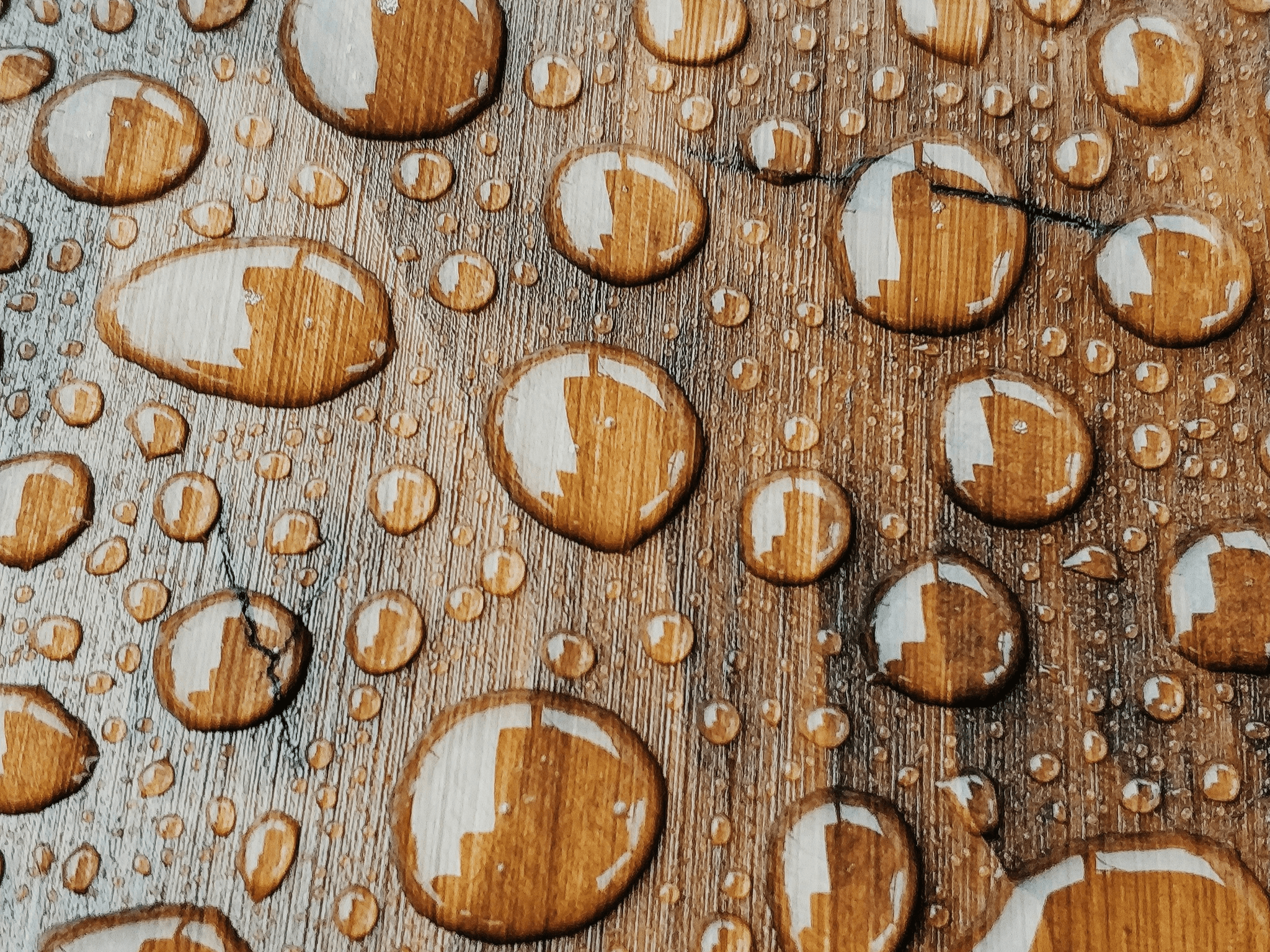
Water-based resin solutions are gaining traction in various industries due to their versatility and eco-friendliness. Chemix's water-based resin stands out for its strong adhesive properties while minimizing environmental impact. This innovative curing adhesive offers a reliable bonding solution without the harsh chemicals typically associated with traditional adhesives.
Overview of Chemix's Water-Based Resin
Chemix's water-based resin is designed to provide a robust and durable bond, making it an excellent choice for manufacturers seeking efficient curing adhesives. Unlike traditional high heat adhesives, this resin cures at room temperature, simplifying the application process and reducing energy consumption. Its formulation allows for easy cleanup and handling, making it user-friendly while maintaining strong adhesive performance.
Environmental Benefits of Water Adhesive
One of the most significant advantages of water adhesive is its reduced environmental footprint compared to solvent-based options. By utilizing water as a primary solvent, these adhesives emit fewer volatile organic compounds (VOCs), which contribute to air pollution and health issues. As industries increasingly prioritize sustainability, adopting water-based resins can help businesses meet regulatory requirements while appealing to environmentally conscious consumers.
Performance in Industrial Applications
When it comes to industrial applications, Chemix's water-based resin demonstrates impressive performance across various substrates including wood, metal, and plastics. The strong adhesive properties ensure reliable bonds even under challenging conditions where high temperature adhesives might falter. Additionally, this versatile curing adhesive can be formulated for specific needs in sectors such as automotive manufacturing or furniture production, proving that eco-friendly solutions don't compromise on quality.
Conclusion

In the dynamic world of adhesive technologies, understanding the various curing methods is essential for achieving optimal results. Each method, whether it be UV resin, contact adhesive, or high temperature adhesive, offers unique benefits tailored to specific applications. By making an informed choice about curing adhesive techniques, manufacturers and DIY enthusiasts alike can ensure strong and durable bonds across a range of materials.
Choosing the Right Curing Method
When selecting a curing method for adhesives, factors such as application environment, material compatibility, and desired bonding strength must be considered. For instance, ultraviolet resin is excellent for quick curing in light-sensitive applications but may not withstand extreme conditions like high heat adhesives do. On the other hand, contact adhesives provide rapid bonding capabilities that are ideal for fast-paced projects where time is of the essence.
Innovations in Adhesive Technologies
The adhesive industry has witnessed remarkable innovations that enhance performance while addressing environmental concerns. Water adhesives have emerged as eco-friendly alternatives to traditional solvents without compromising bond strength or durability. Additionally, advancements in formulations for high temperature adhesives allow them to maintain integrity under extreme conditions—making them indispensable in industries like aerospace and automotive manufacturing.
Future Trends in Adhesive Curing
Looking ahead, the future of curing adhesive technologies seems bright with trends leaning towards sustainability and efficiency. The integration of smart materials could revolutionize how we approach adhesive applications by providing real-time feedback on bond integrity through sensors embedded within the adhesive itself. Moreover, as industries continue to prioritize green solutions, water-based resin options are likely to gain traction alongside developments in ultraviolet resin technologies that further reduce energy consumption during production.