
Introduction
Understanding polyurethane bonding is essential for achieving strong and lasting connections, which is why knowing the best adhesive for polyurethane is crucial. With numerous adhesive options available, selecting the right one can significantly impact the effectiveness of your project.
Understanding Polyurethane Bonding
Polyurethane is a synthetic polymer known for its flexibility, resilience, and resistance to wear and tear. This material can be found in everything from foam cushions to coatings and adhesives themselves. To bond polyurethane effectively, it’s important to recognize its unique properties; this ensures that you choose an adhesive that complements these characteristics for optimal results.
Importance of Choosing the Right Adhesive
Selecting the right adhesive can make or break your project—literally! Using an inappropriate adhesive might lead to weak bonds or even damage to the materials involved. Whether you’re looking for medical adhesives and sealants or food safe adhesives for culinary creations, understanding your specific needs will guide you toward the best options available.
Overview of Adhesive Types for Polyurethane
There are various types of adhesives suited for bonding polyurethane effectively, each with its own set of advantages. From high-performance composite adhesives designed for tough conditions to specialized formulations like those used in medical applications or food safety standards, knowing your choices helps streamline your decision-making process. Additionally, exploring options like curing adhesives gives insight into how different products work over time to achieve strong bonds that stand up against stress and environmental factors.
Leading Adhesives for Polyurethane

Each adhesive has its unique properties and applications, making it essential to choose wisely based on your specific needs. From versatile all-purpose glues to specialized solutions, let’s dive into some of the leading adhesives that can effectively bond polyurethane.
Gorilla Glue and Its Versatility
Gorilla Glue is often hailed as one of the best adhesives for polyurethane due to its exceptional bonding strength and versatility. This polyurethane-based adhesive expands as it cures, allowing it to fill gaps and create a strong bond even on uneven surfaces. Whether you're working on woodworking projects or crafts, Gorilla Glue offers a reliable solution that withstands outdoor conditions, making it a favorite among DIY enthusiasts.
What sets Gorilla Glue apart is its ability to adhere not only to polyurethane but also to various materials like wood, metal, ceramic, and more. This makes it an excellent choice for those who need a multi-purpose adhesive without sacrificing quality. However, it's essential to remember that moisture activates this curing adhesive; hence proper application techniques are necessary for optimal results.
3M’s Scotch-Weld for Tough Applications
For tougher applications where durability is paramount, 3M’s Scotch-Weld is often regarded as one of the best adhesives for polyurethane bonding. Known for its industrial-grade strength, this adhesive excels in high-stress environments where traditional glues might fail. Whether you’re involved in automotive repairs or manufacturing processes requiring robust adhesion, Scotch-Weld provides a dependable solution.
This composite adhesive not only bonds well with polyurethane but also performs admirably with other substrates like metals and plastics. Its quick curing time allows projects to move forward without long delays while ensuring strong bonds that last over time. If you're looking for an adhesive that can handle demanding conditions while maintaining flexibility and strength, Scotch-Weld should be at the top of your list.
Chemix's Water-Based Resin Solution
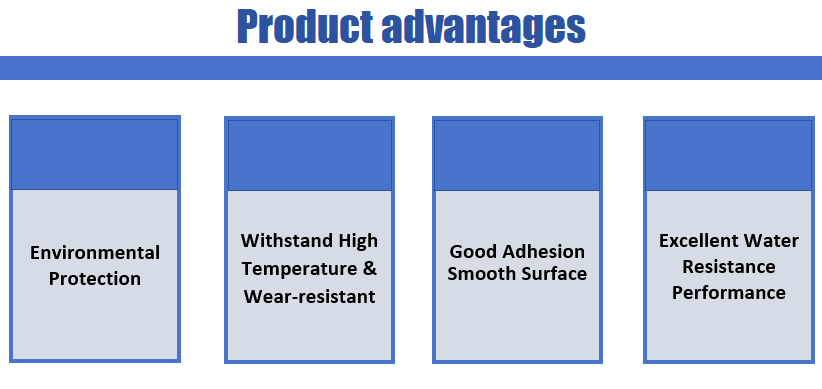
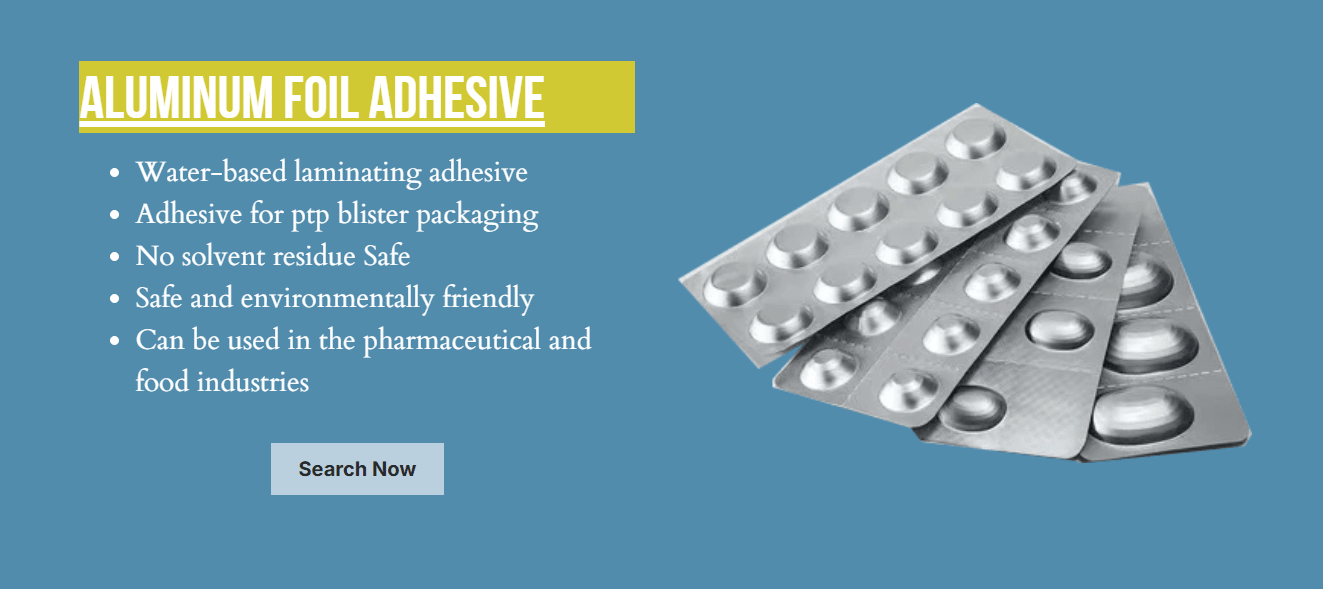
In recent years, Chemix has emerged as a go-to brand offering innovative water-based resin solutions tailored specifically for various bonding needs—including those involving polyurethane materials. Their products are ideal when looking for food safe adhesives or medical adhesives and sealants since they boast low toxicity levels while providing impressive adhesion properties. This makes them suitable not just for crafts but also in sensitive environments like kitchens or healthcare settings.
Chemix's water-based formula ensures easy cleanup and application without compromising effectiveness; it's perfect when you want an environmentally friendly option without sacrificing performance. Moreover, their range includes options designed explicitly for pet plastic bonding—an area where many struggle with traditional glues—making them incredibly versatile across different projects and industries alike.
In conclusion, whether you lean towards Gorilla Glue's versatility or prefer the strength of 3M’s Scotch-Weld or Chemix's eco-friendly offerings—there’s no shortage of choices when searching for the best adhesive for polyurethane applications.
Specialty Adhesives for Unique Needs
The right adhesive can make or break a project, especially in fields that demand high standards such as medical, culinary, and pet care. Let’s dive into the unique world of specialty adhesives and see how they cater to specific needs.
Medical Adhesives and Sealants Breakdown
In the medical field, the use of medical adhesives and sealants is critical for ensuring patient safety and effective treatment. These adhesives must meet stringent regulations to be biocompatible and non-toxic while providing strong bonds that can withstand various conditions. From surgical applications to wound care, choosing the best adhesive for polyurethane is essential in maintaining integrity during healing processes.
Medical adhesives often incorporate advanced technologies like composite adhesives that enhance bonding strength without compromising flexibility. This is particularly important in areas where movement occurs frequently, such as skin or tissue applications. The ability of these adhesives to cure effectively under different conditions adds another layer of reliability that is crucial in healthcare settings.
Food Safe Adhesives for Culinary Projects
When working on culinary projects, using food safe adhesives is non-negotiable if you want your creations to be both functional and safe. These types of adhesives are specially formulated to ensure they do not leach harmful substances into food products while maintaining a strong bond necessary for kitchen gadgets or culinary art pieces. Whether you're constructing a custom cake stand or repairing kitchen tools, finding the best adhesive for polyurethane that meets food safety standards makes all the difference.
Food safe adhesives typically undergo rigorous testing to ensure compliance with health regulations, making them suitable for direct contact with food items. They also need to withstand various temperatures and moisture levels without losing adhesion properties over time. This durability ensures your culinary projects remain intact even under challenging conditions.
Best Glue for Pet Plastic Bonding
When it comes to bonding plastic materials commonly found in pet products, selecting the best glue for pet plastic is crucial for safety and effectiveness. Many pet owners rely on durable solutions that can withstand chewing or rough play without breaking down over time—after all, our furry friends can be quite destructive! Polyurethane-based glues often provide excellent adhesion qualities needed when repairing toys or creating custom pet accessories.
Choosing an adhesive designed specifically for plastics means you’ll benefit from enhanced flexibility and strength—two key factors when dealing with items subjected to constant movement or stress from pets' activities. Additionally, many modern formulations include curing adhesive options that allow users more control over setting times based on their needs—perfect if you have an impatient pup waiting nearby!
The Role of Composite Adhesives

These adhesives combine various components to create a product that excels in both strength and flexibility, making them ideal for applications where traditional adhesives might fall short. Whether you're working with polyurethane or other materials, understanding the role of composite adhesives can significantly enhance your projects.
What Makes Composite Adhesives Effective
Composite adhesives derive their effectiveness from their unique formulation that often includes a blend of polymers and resins. This combination allows them to bond effectively with different substrates, including polyurethane, while maintaining durability under stress. The best adhesive for polyurethane applications often falls within this category due to its superior adhesion properties and versatility.
Moreover, composite adhesives typically cure to form a flexible yet strong bond, which is crucial in many settings like construction or automotive industries. Their ability to withstand temperature fluctuations and environmental factors further enhances their appeal as reliable bonding agents. In specialized fields such as medical adhesives and sealants or even food safe adhesives for culinary projects, composite options can provide the necessary safety and performance standards required.
Comparing Strength and Flexibility
One of the standout features of composite adhesives is their balanced strength-to-flexibility ratio. Unlike some rigid adhesives that may crack under pressure, the best glue for pet plastic bonding often involves composites that can flex without losing adhesion quality. This makes them particularly suitable for dynamic applications where movement or thermal expansion occurs.
In comparison studies, composite adhesives frequently outperform single-component options in terms of tensile strength while also offering enough flexibility to accommodate slight shifts in bonded materials. This dual capability allows engineers and DIY enthusiasts alike to choose the right adhesive based on specific project needs without compromising on performance or safety standards—especially when dealing with sensitive applications like medical devices or food containers.
Applications of Composite Adhesives
The versatility of composite adhesives opens doors to numerous applications across various industries. From automotive manufacturing where they bond lightweight materials for fuel efficiency to aerospace engineering requiring high-performance bonds under extreme conditions, these adhesives are indispensable tools in modern engineering practices.
Additionally, in sectors focused on consumer products—like crafting food safe adhesives for packaging—composite solutions ensure that safety standards are met without sacrificing functionality or aesthetic appeal. Even when it comes down to finding the best adhesive for polyurethane projects at home or workspaces, these multifunctional compounds provide reliable solutions tailored for diverse needs.
Curing Adhesives: What to Know
Curing adhesives undergo a chemical reaction that transforms them from a liquid state into a solid bond, providing excellent strength and durability. This process not only enhances the adhesive's performance but also affects how well it interacts with various materials, including composite adhesives and specialty options like medical adhesives and sealants.
Understanding the Curing Process
The curing process of adhesives involves several stages, starting with an initial application where the adhesive is in its liquid form. As it cures, environmental factors such as temperature and humidity play critical roles in determining the speed and quality of the bond formed. For those using food safe adhesives or even the best glue for pet plastic applications, it's vital to follow specific guidelines to ensure proper curing and avoid any potential issues down the line.
Benefits of Curing Adhesives
Curing adhesives offer numerous advantages that make them preferable for various applications, particularly when bonding polyurethane. One major benefit is their ability to create strong bonds that withstand stress and environmental changes over time, making them ideal for both everyday projects and specialized uses like medical applications. Additionally, many curing adhesives are designed to be resistant to chemicals and moisture, which further enhances their utility in challenging environments.
Curing vs. Non-Curing Adhesives
Understanding the difference between curing and non-curing adhesives is crucial when selecting the best adhesive for polyurethane projects. Curing adhesives typically require time to fully set up through a chemical reaction, while non-curing types may remain flexible or tacky even after application—potentially limiting their effectiveness in certain scenarios. For instance, while food safe adhesives might be non-curing for easy application in culinary settings, choosing a strong curing adhesive could be more beneficial when working with composite materials or demanding tasks like pet plastic bonding.
Tips for Successful Bonding

When it comes to achieving a strong bond with polyurethane, preparation is key. The best adhesive for polyurethane will only perform as well as the surfaces you are working with. Ensuring that both surfaces are clean, dry, and free from contaminants like dust or grease can significantly enhance adhesion.
Surface Preparation for Best Results
Surface preparation is an essential step in ensuring you get the most out of your chosen adhesive, especially when dealing with composite adhesives. Start by cleaning the surfaces thoroughly; this may involve sanding or using a solvent to remove any residues that could hinder bonding. For medical adhesives and sealants, it's crucial to follow strict hygiene protocols to prevent contamination.
Once cleaned, consider roughening the surface slightly if possible; this can create more texture for the adhesive to grip onto, leading to a stronger bond. Remember, even small imperfections on the surface can affect how well your chosen adhesive performs—so don’t skip this vital step! Properly prepared surfaces lay the groundwork for a successful application of food safe adhesives or any other specialized bonding materials.
Application Techniques for Optimal Adhesion
Applying your adhesive correctly is just as important as choosing the right one; even the best glue for pet plastic won’t work wonders if sloppily applied. Follow manufacturer instructions regarding application methods—some adhesives require specific tools like brushes or nozzles for precise application. Using too much adhesive can lead to messy results and weak bonds, while too little might not provide sufficient coverage.
For best results with curing adhesives, apply an even layer across both surfaces before bringing them together firmly but gently; avoid excessive force that could disrupt alignment or cause air pockets. In situations where you’re using medical adhesives and sealants, precision is paramount—this ensures safety and effectiveness in sensitive applications. Always remember: patience pays off; allow adequate time between layers if required by your specific product.
Curing Times and Environmental Factors
Curing times vary widely depending on the type of adhesive used—especially when comparing traditional versus curing adhesives. Understanding these times is critical since rushing through this phase can compromise bond strength significantly; always consult product guidelines! Additionally, environmental factors such as temperature and humidity play significant roles in how quickly an adhesive cures.
For instance, higher temperatures typically accelerate curing processes but may also lead to quicker evaporation of solvents in certain formulations—this could affect performance negatively if not monitored carefully! When working with food safe adhesives or medical-grade options, maintaining optimal conditions ensures safety and efficacy throughout their use cycle. Be mindful of these factors during your bonding project; they can make all the difference between success and failure!
Conclusion
In the world of bonding materials, choosing the best adhesive for polyurethane can make all the difference between a successful project and a frustrating failure. With a variety of options available, it’s crucial to select an adhesive that meets your specific needs—whether it’s for crafting, repairs, or industrial applications. Remember that understanding the unique properties of each adhesive type will empower you to make informed decisions.
Choosing the Best Adhesive for Polyurethane
For general use, Gorilla Glue is often favored due to its versatility and strong bond capabilities. However, if you're tackling tougher jobs or need something more specialized like medical adhesives and sealants, 3M’s Scotch-Weld may be your go-to option.
There are also food safe adhesives designed for culinary projects where safety is paramount; these ensure that your creations are not only functional but also compliant with health standards. If you’re working with pet plastic materials, finding the best glue for pet plastic bonding can save you time and hassle down the line. Ultimately, knowing what each adhesive offers will guide you toward making the right selection.
Understanding Specialty Adhesives’ Importance
Specialty adhesives fill specific niches that general-purpose adhesives simply cannot address effectively. For instance, medical adhesives and sealants are formulated with biocompatibility in mind, making them essential in healthcare settings where safety is critical. Similarly, food safe adhesives are vital in culinary applications where any contamination could pose health risks.
Composite adhesives also deserve mention as they combine different materials to enhance performance across various applications—providing both strength and flexibility that standard adhesives may lack. Understanding these specialty options allows users to tailor their choices based on unique project requirements rather than relying solely on one-size-fits-all solutions. This knowledge ultimately elevates both quality and safety across diverse applications.
Tips for Effective Bonding Techniques
Achieving optimal results when using any adhesive involves careful attention to detail during application processes. Start with thorough surface preparation; cleaning surfaces ensures better adhesion by removing contaminants that could weaken bonds over time. Additionally, employing proper application techniques—like evenly spreading curing adhesive or using clamps—can significantly enhance bond strength.
Curing times should not be overlooked either; they can vary depending on environmental factors such as temperature and humidity levels which affect how quickly an adhesive sets up properly. Always consult product guidelines to determine ideal curing conditions for maximum effectiveness of your chosen adhesive solution! By following these tips diligently, you'll set yourself up for success in all your bonding endeavors.