
Introduction

In the world of adhesives, polyurethane glue stands out as a versatile and robust option for various applications. Whether you're tackling a DIY project or professional repairs, understanding how polyurethane glue works can significantly enhance your bonding success. This introduction will delve into the science behind PU adhesives, their unique properties, and why they might be the best choice for your next project.
Understanding Polyurethane Glue
Polyurethane adhesive is a type of adhesive glue known for its exceptional strength and flexibility. Unlike traditional PVA adhesive, which primarily bonds porous materials like wood, polyurethane glue can adhere to a wide range of surfaces, including metal, plastic, and glass. This versatility makes it an indispensable tool in both construction and crafting.
The Science Behind PU Adhesives
At its core, polyurethane glue operates through a fascinating chemical reaction that occurs when moisture is present. When exposed to water or humidity, the components of PU adhesive react to form strong bonds that can withstand stress and environmental factors. Understanding this process not only clarifies how does polyurethane glue work but also highlights its superior performance compared to other adhesives.
Benefits of Using Polyurethane Adhesive
The advantages of using polyurethane adhesive are numerous; it boasts incredible strength and durability while remaining flexible enough to accommodate movement between bonded materials. Additionally, its weather resistance ensures that projects remain intact even in challenging conditions—making it ideal for both indoor and outdoor use. With all these benefits combined, it's no wonder that many craftsmen prefer PU adhesives over standard options like PVA adhesive.
What is Polyurethane Glue?
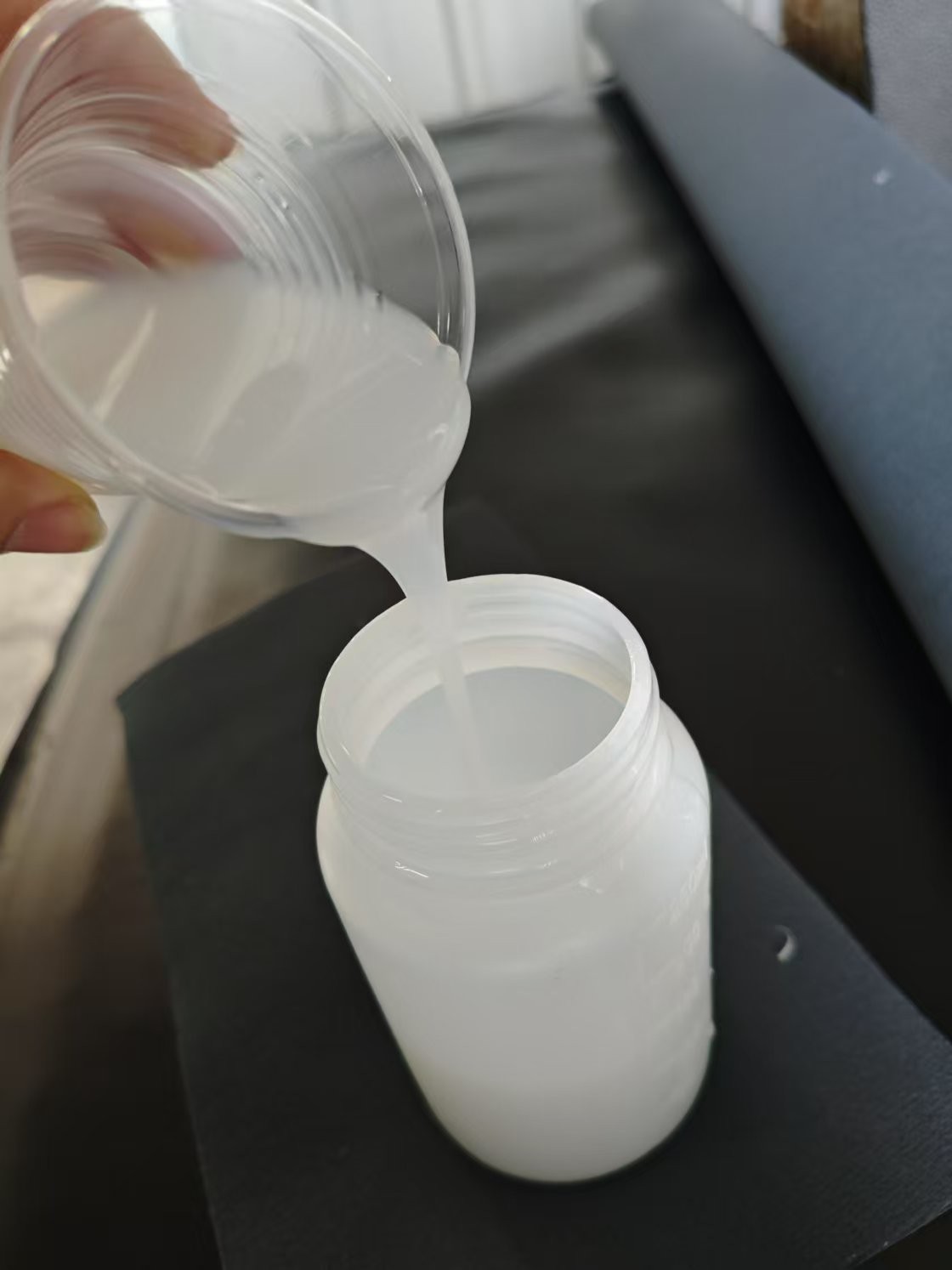
Polyurethane glue, often referred to as PU adhesive, is a versatile adhesive known for its exceptional bonding capabilities across various materials. This type of adhesive glue is composed of polymer chains that react chemically when moisture is introduced, resulting in a strong and durable bond. Understanding what polyurethane glue is and how it differs from other adhesives can help you make informed choices for your projects.
Definition and Composition
At its core, polyurethane glue is a synthetic adhesive that forms a robust bond through a chemical reaction between its components. Typically, it consists of polyol and diisocyanate compounds, which combine upon exposure to moisture in the air or on the surfaces being bonded. This unique composition allows polyurethane adhesives to expand slightly as they cure, filling gaps and creating a tight seal that adheres well to both porous and non-porous materials.
Differences from PVA Adhesive
While both polyurethane glue and PVA (polyvinyl acetate) adhesive are popular choices for bonding applications, they have significant differences worth noting. PVA adhesive is water-based and primarily used for porous materials like wood; it dries clear but lacks the strength needed for outdoor use or non-porous surfaces. In contrast, polyurethane glue excels in versatility by bonding dissimilar materials such as metal, plastic, rubber, and wood while also resisting moisture damage—making it ideal for both indoor and outdoor applications.
Common Applications
You’ll find polyurethane glue used in various industries due to its impressive bonding capabilities. It's commonly employed in woodworking projects where durability matters most—think furniture assembly or cabinetry construction—where the strength of PU adhesives shines through. Additionally, this type of adhesive finds its way into automotive repairs, construction projects, crafting hobbies like model building, and even marine applications where water resistance is crucial.
How Does Polyurethane Glue Work?

Polyurethane glue, often referred to as PU adhesive, operates through a fascinating combination of chemistry and moisture interaction. Understanding how polyurethane glue works can illuminate its impressive bonding capabilities compared to traditional options like PVA adhesive. The unique chemical reactions and processes involved in polyurethane adhesives make them a go-to choice for many applications.
Chemical Reaction Explained
At its core, the magic of polyurethane glue lies in its chemical composition, which includes isocyanates and polyols. When these components are mixed, they undergo a reaction that produces a polymer network—this is where the strength of PU adhesive truly shines. Unlike PVA adhesive, which relies primarily on water evaporation for curing, polyurethane glue creates robust bonds through this intricate chemical transformation.
This reaction generates heat and forms strong connections between surfaces as the polymer chains interlink and expand. As it cures, the adhesive glue solidifies into a durable mass that can withstand significant stress and strain. This unique property makes polyurethane adhesive ideal for demanding applications where reliability is critical.
Moisture Activation Process
One of the standout features of how polyurethane glue works is its reliance on moisture activation for curing. Unlike PVA adhesives that are water-based and cure through evaporation alone, PU adhesives require some level of humidity to initiate their bonding process effectively. When exposed to moisture in the air or on the surfaces being bonded, polyurethane glue begins to react chemically—transforming from a liquid state into a solid bond.
This moisture activation not only triggers the curing process but also contributes to the overall strength of the bond formed between materials. It’s essential to note that while some humidity is beneficial, excessive moisture can adversely affect adhesion quality—making careful application vital for optimal performance with PU adhesives.
Bonding Mechanism
The bonding mechanism of polyurethane adhesive is multifaceted and impressive in its efficiency. Once activated by moisture, PU adhesives penetrate surface pores more effectively than many other types of adhesive glues—including PVA options—allowing for superior adhesion across various materials like wood, metal, plastic, and even ceramics. This deep penetration results in an exceptionally strong bond that can resist shear forces better than many competitors.
Moreover, as it cures over time, this bond becomes increasingly resilient against environmental factors such as temperature fluctuations and humidity changes—attributes that set it apart from standard PVA adhesives which may not hold up as well under similar conditions. In essence, understanding how does polyurethane glue work reveals why it's favored by professionals across diverse industries looking for lasting solutions.
Advantages of Polyurethane Adhesive
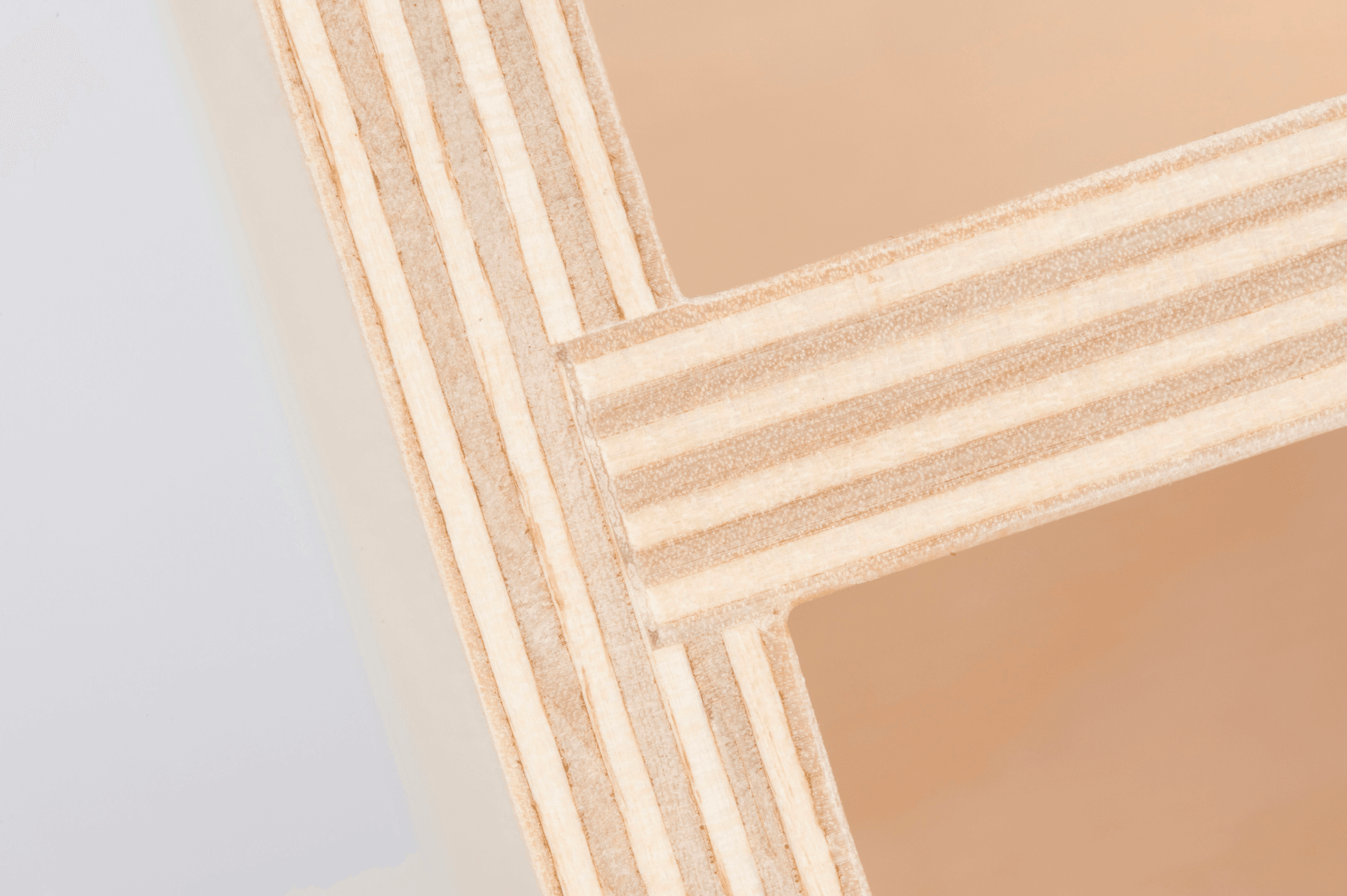
Polyurethane adhesive is a game-changer in the world of bonding materials, thanks to its unique properties that set it apart from traditional options like PVA adhesive. Not only does it offer exceptional strength and durability, but it also boasts versatility across a wide range of materials. Additionally, its impressive weather resistance makes it suitable for both indoor and outdoor applications, ensuring that your projects stand the test of time.
Strength and Durability
One of the standout features of polyurethane glue is its remarkable strength and durability. When fully cured, this PU adhesive forms a bond that is often stronger than the materials it's joining together. This means you can trust polyurethane adhesive for demanding applications where structural integrity is crucial, making it a favorite among builders and craftsmen alike.
The chemical reaction that occurs during curing contributes significantly to its strength; as moisture activates the glue, it expands and fills any gaps between surfaces. This results in a robust bond that can withstand stress, strain, and even impact over time. In contrast to PVA adhesive, which may weaken under certain conditions or with prolonged exposure to moisture, polyurethane glue remains steadfast.
Versatility Across Materials
Another major advantage of polyurethane adhesives is their versatility across various materials. Whether you’re bonding wood, metal, plastic, or even ceramics, this adhesive glue gets the job done effectively. Its ability to adhere to dissimilar surfaces makes it an ideal choice for complex projects where multiple materials are involved.
Unlike PVA adhesive which primarily excels in wood-to-wood applications, polyurethane glue shines in situations where different substrates need to be joined together seamlessly. This characteristic opens up endless possibilities for creative projects—think furniture repairs or DIY crafts! So whether you're fixing a leaky gutter or crafting something unique at home, PU adhesive has got your back.
Weather Resistance
When it comes to outdoor applications or environments with fluctuating humidity levels, weather resistance becomes paramount—and this is where polyurethane glue truly excels! Unlike many other adhesives that can break down when exposed to moisture or extreme temperatures—including some types of PVA adhesives—polyurethane adhesives are designed to withstand these challenges with ease.
This weather-resistant quality ensures that your bonds remain intact regardless of rain or shine—perfect for outdoor furniture assembly or construction projects exposed to the elements. Furthermore, this resilience means fewer repairs over time; once you use polyurethane adhesive correctly on your project, you can have peace of mind knowing it's built tough against nature's whims.
Disadvantages to Consider
While polyurethane glue, often referred to as PU adhesive, has numerous advantages, it’s not without its drawbacks. Understanding these disadvantages is crucial for anyone considering this adhesive glue for their projects. Let’s dive into some of the key challenges associated with using polyurethane adhesives.
Working Time Constraints
One of the notable disadvantages of polyurethane glue is its working time constraints. Unlike PVA adhesive, which allows for a more leisurely application process, PU adhesive sets relatively quickly once activated by moisture. This means that you need to work efficiently and be prepared to clamp your materials together soon after application; otherwise, you risk losing adhesion effectiveness.
Surface Preparation Requirements
Surface preparation is another critical factor when using polyurethane glue that can’t be overlooked. For optimal bonding, surfaces must be clean, dry, and free from contaminants like dust or grease—much more stringent than what you might need for PVA adhesive applications. This extra effort in preparing surfaces can add time and complexity to your project but is essential for ensuring a strong bond with the polyurethane adhesive.
Cleanup Challenges
Cleanup can also pose a significant challenge when working with PU adhesives. Once cured, polyurethane glue becomes quite tough and can be difficult to remove from tools or surfaces if spills occur during application. Unlike water-based adhesives like PVA glue that can be cleaned up easily while wet, cleanup of polyurethane requires solvents or scrapers after it has dried—definitely something to keep in mind as you plan your project!
Comparing Polyurethane Glue and PVA Adhesive
When it comes to adhesive glue, two heavyweights often enter the ring: polyurethane glue and PVA adhesive. Both have their unique strengths and weaknesses, making them suitable for different applications. Understanding how does polyurethane glue work in contrast to PVA can help you make an informed choice for your project.
Performance Differences
Polyurethane adhesive boasts superior strength and durability compared to PVA adhesive, particularly when bonding dissimilar materials like wood to metal or plastic. While PU adhesive forms a robust bond that can withstand moisture and temperature fluctuations, PVA tends to perform best on porous surfaces like wood. The chemical reaction in polyurethane glue involves a moisture activation process that enhances its bonding capabilities, making it ideal for outdoor projects where weather resistance is crucial.
On the flip side, PVA adhesives are generally easier to work with due to their faster drying times and simpler cleanup processes with water. However, they lack the versatility of polyurethane adhesives when it comes to adhesion on non-porous surfaces or under challenging environmental conditions. Therefore, while both types of adhesives have their merits, understanding these performance differences can guide you toward the right choice based on your specific needs.
Ideal Use Cases
Polyurethane glue shines in applications requiring high strength and durability; think outdoor furniture assembly or construction projects where resistance to water is essential. It’s also perfect for repairs involving various materials—like fixing a ceramic vase with metal embellishments—thanks to its versatile bonding capabilities. In contrast, PVA adhesive is generally favored for indoor woodworking projects such as crafting furniture or paper-based crafts where ease of use is paramount.
If you're working on projects that demand quick assembly without extensive surface preparation, then PVA might be your go-to option due to its user-friendly nature. However, if longevity and resilience are at stake—especially in fluctuating climates—polyurethane glue will likely deliver better results over time. Ultimately, selecting between PU adhesive and PVA requires evaluating the specific demands of your project against each type's strengths.
Cost Considerations
Cost is always a factor when choosing between polyurethane glue and PVA adhesive; typically, PU adhesives come with a higher price tag due to their advanced formulation and performance capabilities. However, considering their long-term benefits—including durability and versatility across materials—investing in polyurethane adhesive may save you money down the line by reducing repair costs or material replacements.
PVA adhesives are usually more budget-friendly upfront but may require more frequent reapplications depending on the project's nature; this could lead to higher costs over time if not managed carefully. Thus, while comparing prices is important, it's equally crucial to weigh cost against performance expectations for your specific application.
Best Practices for Application
When it comes to getting the most out of your polyurethane adhesive, following best practices can make all the difference. Proper application techniques not only enhance bonding strength but also ensure that your projects stand the test of time. Let’s dive into some essential tips for surface preparation, clamping, and curing times.
Surface Preparation Tips
Before applying polyurethane glue, it's crucial to prepare surfaces adequately for optimal bonding. Start by cleaning the surfaces thoroughly; remove any dust, oil, or grease that could interfere with adhesion. A roughened surface can also help; lightly sanding will increase the area for the adhesive glue to grip and improve overall bond strength.
When using PU adhesive on porous materials like wood, consider slightly moistening the surface before application—this allows moisture to activate the glue effectively and enhances how does polyurethane glue work. For non-porous materials such as metal or plastic, a primer may be necessary to ensure a strong bond since these surfaces can be tricky for adhesives like PVA adhesive or even polyurethane adhesive alone.
Finally, always check compatibility between surfaces and your chosen adhesive glue—some materials may require special formulations of polyurethane glue to achieve maximum performance.
Proper Clamping Techniques
Clamping is a critical step in ensuring that your polyurethane adhesive cures correctly and forms a robust bond between materials. When applying PU adhesive, use clamps that distribute pressure evenly across the glued joint; this prevents gaps that could weaken adhesion over time. Adequate pressure helps maintain contact between surfaces during curing, which is key in understanding how does polyurethane glue work effectively.
Avoid over-tightening clamps as this can squeeze out too much adhesive and create weak spots in your bond line. The ideal clamping time varies based on temperature and humidity but generally ranges from 30 minutes to several hours—always refer to product guidelines for specifics regarding your particular polyurethane glue.
Lastly, remember not to disturb or move the pieces until they are fully cured; patience pays off when working with strong adhesives like PU adhesives!
Curing Time Factors
Understanding curing times is essential when working with any type of adhesive glue including polyurethane adhesives. While you might see initial tackiness within minutes of application, full curing often takes 24 hours or more depending on environmental conditions such as temperature and humidity levels.
Temperature plays a significant role in how does polyurethane glue work; warmer temperatures typically speed up curing while colder conditions may extend it significantly—so choose your workspace wisely! If you're working indoors during winter months or in high-humidity areas, consider using heat lamps or dehumidifiers to create an optimal environment for quicker results.
Lastly, avoid rushing through projects by testing bond strength before putting items under stress—it's better to wait than risk compromising your hard work due to inadequate curing time!
Eco-Friendly Alternatives: Chemix's Water-Based Resin Solution

In the quest for sustainable materials, Chemix's water-based resin solution is emerging as a formidable alternative to traditional polyurethane glue. This innovative adhesive not only prioritizes environmental safety but also offers robust performance characteristics that make it appealing to both DIY enthusiasts and professionals alike. By utilizing non-toxic ingredients, this adhesive glue caters to those who are conscious about their ecological footprint while still requiring effective bonding solutions.
Sustainable and Non-Toxic
Chemix’s water-based resin is designed with sustainability in mind, ensuring that users can achieve strong bonds without compromising health or the environment. Unlike conventional PU adhesives that may emit harmful fumes during application, this eco-friendly option is free from volatile organic compounds (VOCs), making it safe for indoor use. As we explore how does polyurethane glue work in comparison, it's clear that Chemix’s solution stands out as a cleaner alternative without sacrificing performance.
Performance Comparison
When comparing the performance of Chemix's water-based resin to traditional polyurethane adhesive, it's essential to note several key factors such as bond strength and versatility across materials. While PU adhesives are renowned for their durability and resistance to moisture, Chemix’s formulation has shown impressive results in various applications including wood, ceramics, and even some plastics. However, users should be mindful of specific requirements; while both types of adhesives offer excellent bonding capabilities, understanding how does polyurethane glue work versus its water-based counterpart can help determine the best choice for specific projects.
Industries Benefiting from Water-Based Resin
The versatility of Chemix’s water-based resin makes it suitable for a wide range of industries including woodworking, crafts, and construction—areas where traditional PVA adhesive might fall short on durability or moisture resistance. Manufacturers looking for sustainable options can also leverage this eco-friendly adhesive in product assembly without worrying about toxic emissions or safety hazards associated with conventional PU adhesives. Overall, as industries evolve toward greener practices, embracing alternatives like Chemix's water-based resin will be crucial in paving the way for a more sustainable future.
Conclusion

In wrapping up our exploration of polyurethane glue, it's clear that this versatile adhesive offers a unique set of benefits that can enhance various projects. From its robust bonding capabilities to its adaptability across different materials, polyurethane adhesive stands out as a reliable choice for both DIY enthusiasts and professionals alike. However, understanding how does polyurethane glue work is crucial for maximizing its potential and ensuring successful applications.
Key Takeaways on Polyurethane Glue
Polyurethane glue, often referred to as PU adhesive, distinguishes itself from traditional options like PVA adhesive through its unique chemical properties and performance characteristics. The bonding mechanism relies on moisture activation, which triggers a chemical reaction that results in an incredibly strong bond once cured. Additionally, the versatility of polyurethane adhesives makes them suitable for a wide range of applications—from woodworking to construction—demonstrating their indispensable role in various industries.
Importance of Proper Application
To truly harness the power of polyurethane glue, proper application techniques are essential. Surface preparation plays a pivotal role; clean and dry surfaces ensure optimal adhesion while minimizing the risk of failure. Moreover, understanding how does polyurethane glue work helps users navigate challenges such as working time constraints and cleanup difficulties—ultimately leading to more successful projects.
Exploring Sustainable Adhesive Options
As we look toward the future, eco-friendly alternatives like Chemix's water-based resin solution are making waves in the adhesive industry. These sustainable options not only provide impressive performance comparable to traditional PU adhesives but also prioritize non-toxic formulations that are safer for both users and the environment. Embracing these innovative solutions can pave the way for greener practices while still achieving those strong bonds we all need.