
Introduction

In a world where everything seems to be glued together, finding the right adhesive solution can feel like searching for a needle in a haystack. With countless options available, from hot melt adhesive to adhesive contact glue, it’s essential to navigate through the maze of industrial adhesives effectively. Whether you're working on a DIY project or managing large-scale manufacturing, understanding these options will help you make informed decisions that stick.
Finding the Right Adhesive Solution
Choosing the right adhesive solution is crucial for ensuring durability and effectiveness in your projects. The landscape of adhesive companies offers a variety of products tailored for different applications, making it essential to know what you need before diving in. From construction to crafts, selecting an appropriate industrial adhesive can mean the difference between success and frustration.
Exploring Industrial Adhesive Options
Industrial adhesives come in various forms, each designed for specific uses and environments. Hot melt adhesives are popular due to their quick setting time and versatility, while adhesive contact glue offers strong bonds that can withstand stress and temperature fluctuations. By exploring these options, you can identify which type aligns best with your project requirements and materials.
The Benefits of Sealants and Adhesives
Sealants and adhesives play an integral role in modern manufacturing and construction by providing strength and flexibility where it's needed most. They not only enhance product performance but also contribute to energy efficiency by sealing gaps that could lead to energy loss. With advancements in technology, many adhesive companies are now offering eco-friendly solutions that prioritize sustainability without compromising on quality.
Understanding Different Adhesive Types
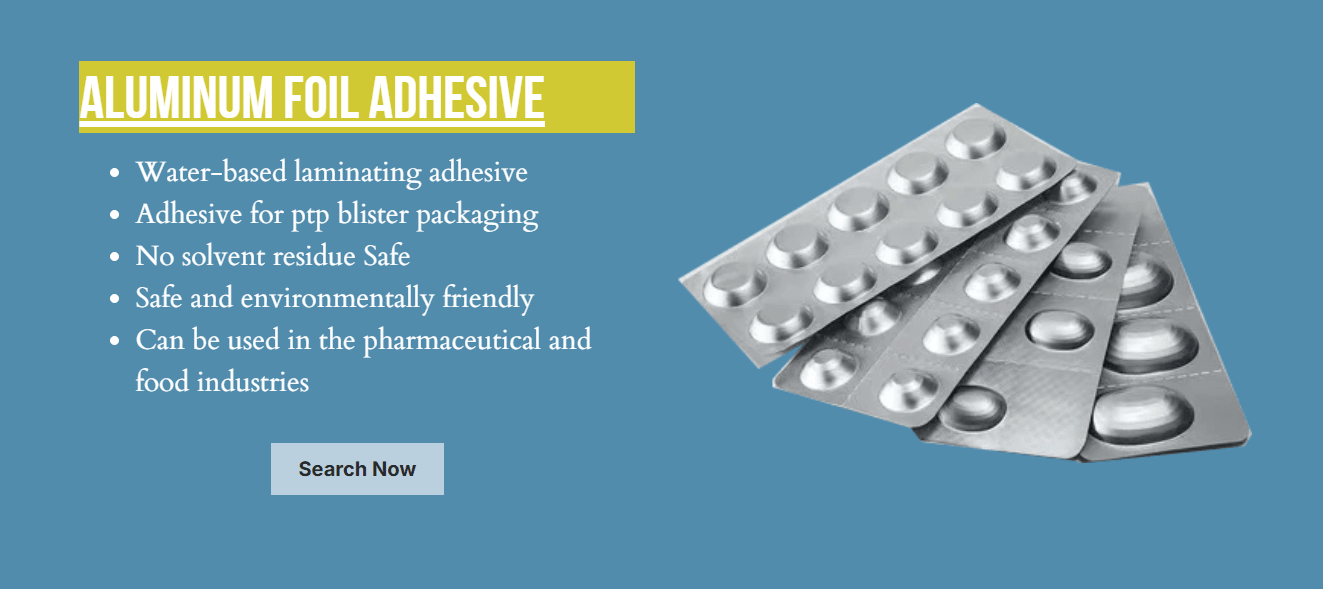
When it comes to adhesives, understanding the different types available can make a world of difference in achieving the desired results for your projects. Each adhesive type serves a unique purpose and is formulated to meet specific needs, whether in industrial applications or everyday use. Let’s dive into some popular adhesive types that are essential for various projects.
What is Hot Melt Adhesive?
Hot melt adhesive is a thermoplastic adhesive that is applied in a molten state and cools to form a solid bond. This type of adhesive is favored for its quick setting time and versatility, making it ideal for high-speed production environments typical in many industrial settings. Hot melt adhesives are commonly used by adhesive companies due to their ability to bond diverse materials such as paper, wood, plastics, and metals efficiently.
The application process of hot melt adhesives involves heating the glue until it reaches a liquid state before applying it to surfaces that need bonding. Once cooled, this adhesive forms a strong bond that can withstand various environmental conditions, making it suitable for both indoor and outdoor applications. Additionally, hot melt adhesives are often favored because they do not require solvents or water during application, leading to cleaner processes with less mess.
The Power of Adhesive Contact Glue
Adhesive contact glue operates on a simple yet effective principle: apply it to both surfaces being bonded and allow them to dry before pressing them together. This type of adhesive creates an instant bond upon contact when the two surfaces meet, providing strength and durability across various materials including rubber, leather, and plastics. Many industrial applications rely on adhesive contact glue due to its ability to create high-strength bonds quickly without requiring clamping or extensive curing times.
One significant advantage of using contact glue is its flexibility once cured; this means that bonded materials can withstand movement without compromising the integrity of the bond itself. Additionally, many manufacturers have developed specialized formulations tailored for specific industries—becoming staples among top adhesive companies looking to provide solutions tailored for their clients' needs. However, caution must be exercised during application since improper use can lead to messy results or weak bonds if not correctly executed.
Comparing Industrial Adhesives
In the vast world of industrial adhesives, comparing options can feel overwhelming given the plethora of choices available on the market today—each with distinct properties suited for different tasks. When evaluating these options—like hot melt adhesives versus contact glues—it's essential first to consider factors such as bonding speed required, material compatibility needed for your project at hand, and environmental conditions where the bond will be utilized.
Industrial adhesives vary significantly in terms of performance characteristics; some may offer superior heat resistance while others excel in moisture exposure scenarios or even flexibility post-curing. By carefully analyzing these variables against your project requirements alongside costs associated with each option from leading adhesive companies will help you make informed decisions about which product aligns best with your needs while ensuring optimal performance outcomes.
Lastly—and perhaps most importantly—considering sustainability aspects within your selection process can also play an influential role as more manufacturers shift towards eco-friendly formulas aimed at reducing environmental impact without sacrificing quality or effectiveness in their product lines!
Industry Leaders in Adhesives

When it comes to finding the right adhesive solutions, knowing the industry leaders can make all the difference. The adhesive market is flooded with options, but a handful of adhesive companies stand out due to their innovation, reliability, and extensive product offerings. These companies not only provide a range of industrial adhesives but also lead the way in developing cutting-edge technologies that enhance performance and sustainability.
Top Adhesive Companies to Consider
Among the top adhesive companies, names like 3M, Henkel, and Loctite frequently come up in discussions about quality and innovation. These brands offer a variety of products including hot melt adhesives and adhesive contact glue that cater to diverse industrial applications. When selecting an industrial adhesive, considering these reputable brands can ensure you’re choosing from reliable options known for their superior bonding capabilities.
In addition to 3M and Henkel, other noteworthy players include Sika and Bostik, which also provide specialized solutions tailored for different industries. Each of these companies has carved out a niche by focusing on specific applications or materials, making them invaluable resources for businesses seeking effective adhesive glue options. With their established track records and commitment to research and development, these companies are worth considering for any project requiring robust adhesion.
Innovations from 3M and Henkel
3M is renowned for its innovative approach to adhesives; they continually push boundaries with products that offer enhanced performance characteristics such as temperature resistance or faster curing times. Their hot melt adhesives are particularly popular in packaging applications due to their ease of use and strong bond strength. Similarly, Henkel has made significant strides with its Loctite brand by introducing advanced formulations that improve adhesion on challenging surfaces.
Both companies have developed eco-friendly options as well; 3M's commitment to sustainability is evident in its line of water-based adhesives designed to minimize environmental impact without sacrificing performance. Henkel’s innovations include low-VOC (volatile organic compounds) adhesives that meet stringent regulations while providing excellent bonding capabilities across various materials. These advancements reflect a growing trend among leading adhesive companies towards creating solutions that are both effective and environmentally responsible.
The Role of Loctite in Industrial Applications
Loctite stands out as a pivotal player within the realm of industrial adhesives due to its focus on high-performance bonding solutions tailored specifically for demanding environments. Known primarily for its epoxy-based systems and instant adhesives, Loctite’s products excel in automotive assembly lines where durability is crucial—making it a go-to choice among manufacturers looking for reliable adhesive glue options.
Moreover, Loctite offers comprehensive technical support alongside its products; this ensures customers can effectively utilize their industrial adhesives while minimizing potential application issues or bonding failures down the line. Their extensive portfolio includes everything from threadlockers to sealants specifically designed for harsh conditions—demonstrating how integral they are within various sectors like aerospace or electronics manufacturing where precision matters most.
Innovative Products: Chemix Water-Based Resin
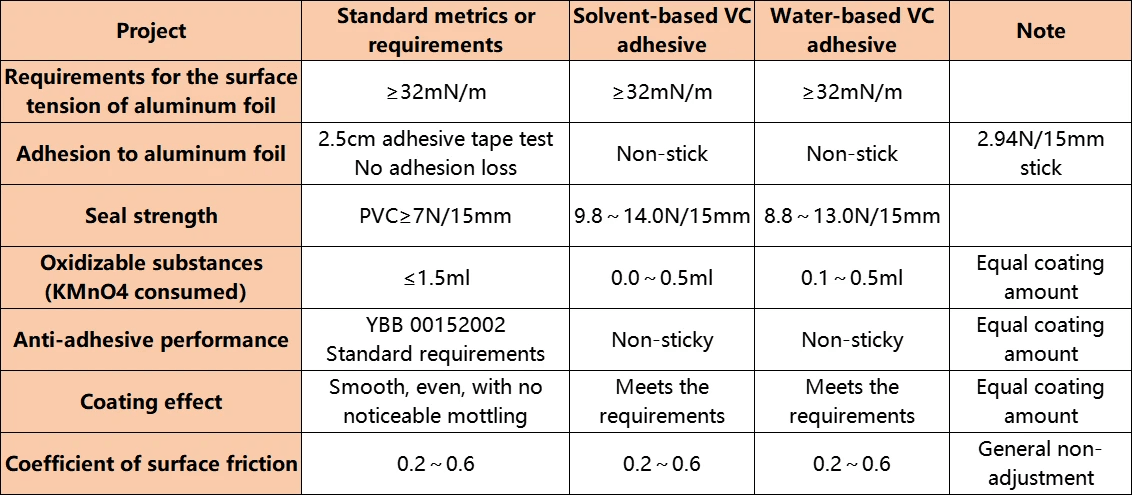
In the ever-evolving world of adhesives, Chemix's water-based resin stands out as a game-changer for both industrial and everyday applications. This innovative product combines the best attributes of adhesive glue while prioritizing safety and ease of use. With its unique formulation, it offers a versatile solution that caters to the needs of various adhesive companies looking to enhance their product lines.
What Makes Water-Based Resin Unique?
Water-based resin distinguishes itself from traditional hot melt adhesives and adhesive contact glue through its environmentally friendly composition. Unlike solvent-based options, which can emit harmful fumes, this resin provides a safer working environment without compromising performance. Its quick-drying properties and strong bonding capabilities make it an ideal choice for those seeking reliable industrial adhesives that are also user-friendly.
Furthermore, water-based resin is designed for compatibility with a variety of substrates, making it a favorite among manufacturers and DIY enthusiasts alike. The flexibility in application allows it to be used in diverse scenarios—from woodworking projects to intricate craftwork—making it an all-around champion in the adhesive arena. As more adhesive companies shift towards sustainable practices, Chemix’s innovation sets a benchmark for future developments in the industry.
Applications of Chemix's Water-Based Resin Solution
Chemix's water-based resin is suitable for an impressive range of applications across different sectors. In construction and manufacturing, it's often utilized as an effective bonding agent for various materials such as wood, metal, and plastics—demonstrating its versatility beyond standard adhesive glue uses. Additionally, artists and hobbyists have embraced this product for crafting purposes due to its ease of use and minimal cleanup requirements.
Moreover, this innovative resin is particularly advantageous in sectors where safety is paramount; its non-toxic formula makes it suitable for environments involving children or sensitive individuals. Whether you’re assembling furniture or creating intricate designs in arts and crafts, Chemix’s water-based resin proves itself as a reliable option that meets both performance standards and safety regulations. The adaptability of this product positions it as a top contender among other industrial adhesives available on the market today.
Environmental Impact and Sustainability
In today's eco-conscious climate, sustainability plays an essential role in selecting adhesive solutions like Chemix's water-based resin. This product not only reduces harmful emissions associated with traditional hot melt adhesives but also minimizes waste during application due to its efficient bonding capabilities. By choosing environmentally friendly options like this one from Chemix, businesses can reduce their carbon footprint while still achieving high-performance results.
Furthermore, many adhesive companies are now prioritizing sustainable practices by developing products that align with green initiatives—making Chemix’s water-based resin a perfect fit within this movement toward responsible manufacturing processes. As industries strive to meet regulatory standards regarding VOC emissions (volatile organic compounds), adopting such innovative solutions becomes increasingly critical for long-term viability in competitive markets. Ultimately, using water-based resins signals not just progress but also commitment towards creating safer work environments while maintaining quality adhesion standards.
Choosing the Right Adhesive for Your Project

When it comes to selecting the right adhesive for your project, it’s essential to navigate through a sea of options offered by various adhesive companies. The perfect adhesive can make all the difference in ensuring durability and performance, so understanding your specific needs is crucial. Factors such as substrate material, environmental conditions, and intended use must be considered to find an ideal match among industrial adhesives.
Factors to Consider When Selecting Adhesives
The first step in selecting an adhesive is identifying the materials you’ll be bonding together. Different adhesives have unique properties suited for specific materials—adhesive contact glue works wonders on porous surfaces, while hot melt adhesives excel with non-porous ones. Additionally, consider factors like curing time, temperature resistance, and whether you need a flexible or rigid bond; these will help narrow down your choices among various adhesive companies.
Another critical factor is the application method—some adhesives require precise application techniques while others are more forgiving. For instance, if you're working on a large-scale project that demands speed and efficiency, hot melt adhesive might be your best bet due to its quick setting time. Always evaluate how much surface area you'll be covering and whether you'll need specialized equipment or tools for application.
Lastly, don’t overlook safety considerations when choosing your adhesive glue. Some options may emit harmful fumes or require protective gear during application; thus it's wise to read safety data sheets provided by manufacturers before making a decision. By keeping these factors in mind, you can confidently select an industrial adhesive that meets both your needs and safety standards.
Cost vs. Performance in Adhesive Glue
Balancing cost against performance is often a tightrope walk when selecting an adhesive glue for any project. While it may be tempting to opt for cheaper alternatives from lesser-known brands or even generic products, this could lead to poor bonding results that cost more in the long run due to repairs or replacements needed later on. Quality industrial adhesives from reputable adhesive companies often come with higher upfront costs but can save you money by providing lasting durability and effectiveness.
Hot melt adhesives are typically more affordable compared to specialized formulations like epoxy or polyurethane but may not offer the same level of strength or resistance required for demanding applications. It’s essential to assess what type of performance is necessary for your specific project; sometimes investing a little more upfront pays off significantly over time through reduced maintenance costs and increased reliability of bonded joints.
Ultimately, understanding how different types of adhesives perform under various conditions will help you make informed decisions about where your budget should go without sacrificing quality. Remember that sometimes “you get what you pay for” rings true—investing wisely now could save significant headaches down the road!
Tips for Effective Application
To ensure successful adhesion when using any type of glue from leading adhesive companies, proper application techniques are key! First off, always prepare your surfaces by cleaning them thoroughly; dust and grease can create barriers that prevent optimal bonding between materials—nobody wants their hard work coming undone because they skipped this step!
Next up is applying the right amount of product: too little won’t hold anything together while too much can lead to messy drips and ineffective bonds—aim for just enough coverage based on manufacturer instructions! If you're using hot melt adhesives specifically designed for quick setups, remember they cool rapidly; plan accordingly so you have everything aligned before applying pressure.
Finally—and perhaps most importantly—allow adequate curing time after application before subjecting bonded items to stress or weight; patience here will pay off handsomely later on! Following these tips will help maximize effectiveness regardless if you're using contact glue or any other industrial-grade alternative available today.
Troubleshooting Common Adhesive Issues

When working with adhesives, even the best-laid plans can go awry. Bonding failures can happen for various reasons, whether it's the wrong adhesive used for the job or improper application techniques. Understanding how to troubleshoot these issues is crucial in ensuring your projects remain on track and your adhesive solutions are effective.
Dealing with Bonding Failures
Bonding failures often stem from insufficient surface preparation, inadequate curing time, or using an incompatible adhesive type. For instance, industrial adhesives like hot melt adhesives require specific temperatures and surface conditions to form a strong bond. If you find yourself facing a bonding failure, revisiting these factors can provide insight into what went wrong and how to fix it.
In many cases, adhesive contact glue may not adhere properly if surfaces are contaminated with dust or oils. Always ensure that surfaces are clean and dry before applying any adhesive glue; this simple step can save you from future headaches. If a bond has failed, carefully remove any residual adhesive before reapplying the correct product.
How to Avoid Adhesive Glue Mishaps
To sidestep common mishaps associated with adhesive applications, thorough planning is essential. First off, familiarize yourself with the specific requirements of your chosen adhesive—whether it’s a hot melt adhesive or another type of industrial adhesive—to ensure optimal performance. Additionally, training staff on proper application techniques can significantly reduce errors and enhance overall efficiency.
Another tip is to conduct small-scale tests before full-scale application; this will help you identify potential issues without committing significant resources upfront. Keep an eye on environmental factors such as temperature and humidity during application since they can greatly influence adhesion quality as well. By taking these precautions, you'll minimize the risk of mishaps that could jeopardize your projects.
Maintenance Tips for Long-lasting Adhesive Solutions
Once you've successfully bonded materials using your chosen adhesives from reputable adhesive companies, maintaining those bonds is key to longevity. Regularly inspect bonded joints for signs of wear or environmental damage—this proactive approach allows you to catch potential problems early before they escalate into larger issues requiring more extensive repairs.
Proper storage of leftover adhesives also plays a critical role in their effectiveness over time; ensure containers are sealed tightly and stored at recommended temperatures to maintain their integrity for future use. When using hot melt adhesives specifically, keep in mind that exposure to extreme temperatures may affect their performance down the line.
Finally, educate yourself about maintenance best practices tailored specifically for each type of industrial adhesive used in your projects; knowing how best to care for them will extend their lifespan and enhance overall project success rates.
Conclusion

In the world of bonding materials, selecting the right adhesive is crucial for any project, whether industrial or DIY. With a myriad of options available, from hot melt adhesives to adhesive contact glue, understanding their specific applications can significantly enhance performance and durability. As we've explored throughout this guide, knowing your needs and the properties of different industrial adhesives will lead to successful outcomes.
Key Takeaways on Adhesive Selection
When choosing an adhesive, consider factors such as material compatibility, environmental conditions, and application method. The right adhesive glue can make all the difference—ensuring a strong bond that withstands stress and strain over time. Remember to evaluate your options from leading adhesive companies to find solutions tailored to your unique requirements.
The Future of Adhesives and Sealants
As industries evolve, so too do the technologies behind adhesives and sealants. Innovations in formulations are paving the way for more efficient hot melt adhesives that offer quicker curing times and enhanced performance characteristics. With advancements in sustainability practices among top adhesive companies, we can expect a future where eco-friendly options are not just advantageous but also standard.
Why Choose Sustainable Adhesive Options
Sustainable adhesive solutions are becoming increasingly important as businesses strive for greener practices without sacrificing quality or effectiveness. By opting for environmentally friendly adhesive contact glue or water-based resins like Chemix's offering, you contribute positively to both your project’s integrity and the planet’s health. Choosing sustainable options from reputable adhesive companies not only enhances brand reputation but also promotes responsible manufacturing practices.